Today, the working class stands divided. Contemporary democratic politics has failed. So has any union movement with a genuine interest in going beyond tinkering at the edges of a broken capitalist system. There is a desperate need for a leftist force with the capacity to threaten capitalist hegemony and provide a legitimate way to fight the ruling class. The ISO’s constitution proclaims: “The aim of the organisation is to lay the foundations for the building of a revolutionary socialist party comprised in its overwhelming majority of workers.” Our task is to create a movement that has the potential to provide an alternative to capitalism: one that is active in every struggle against oppression and provides a path to real liberation. This is the role of a revolutionary socialist party.
The Historic Role of the Party
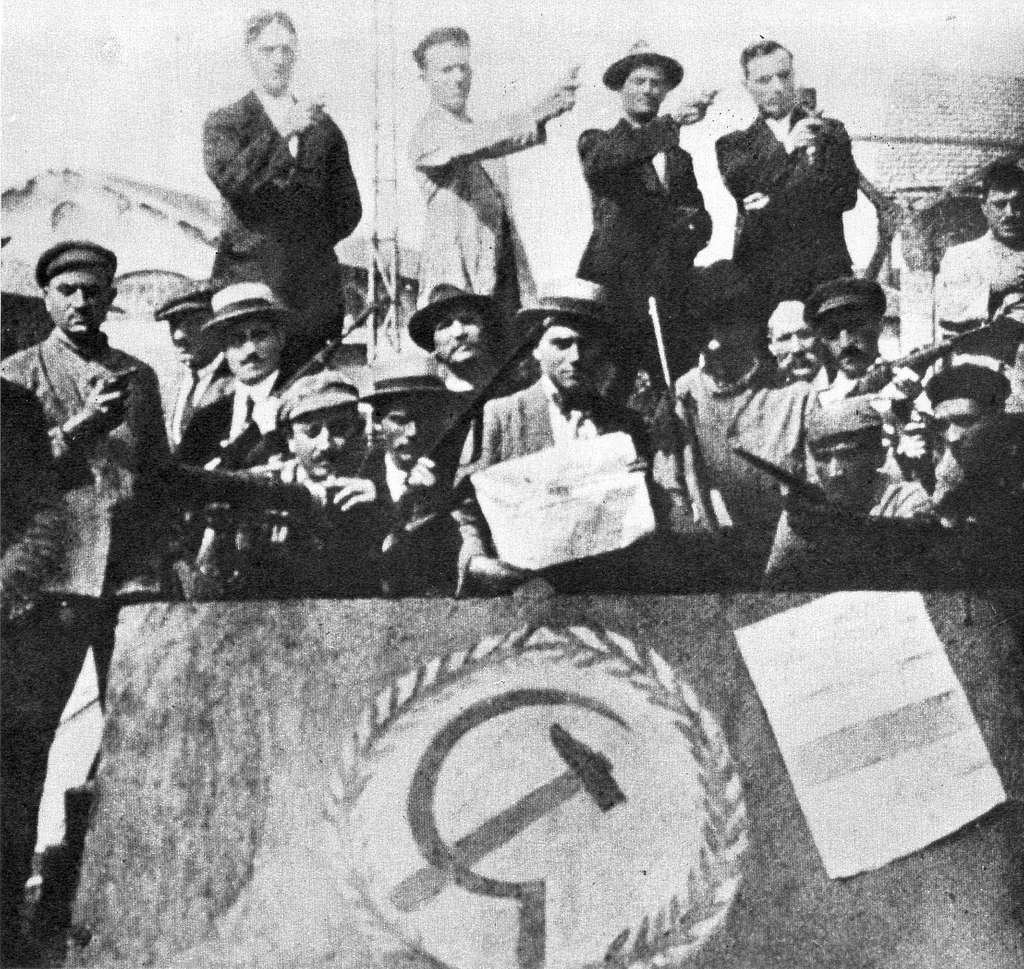
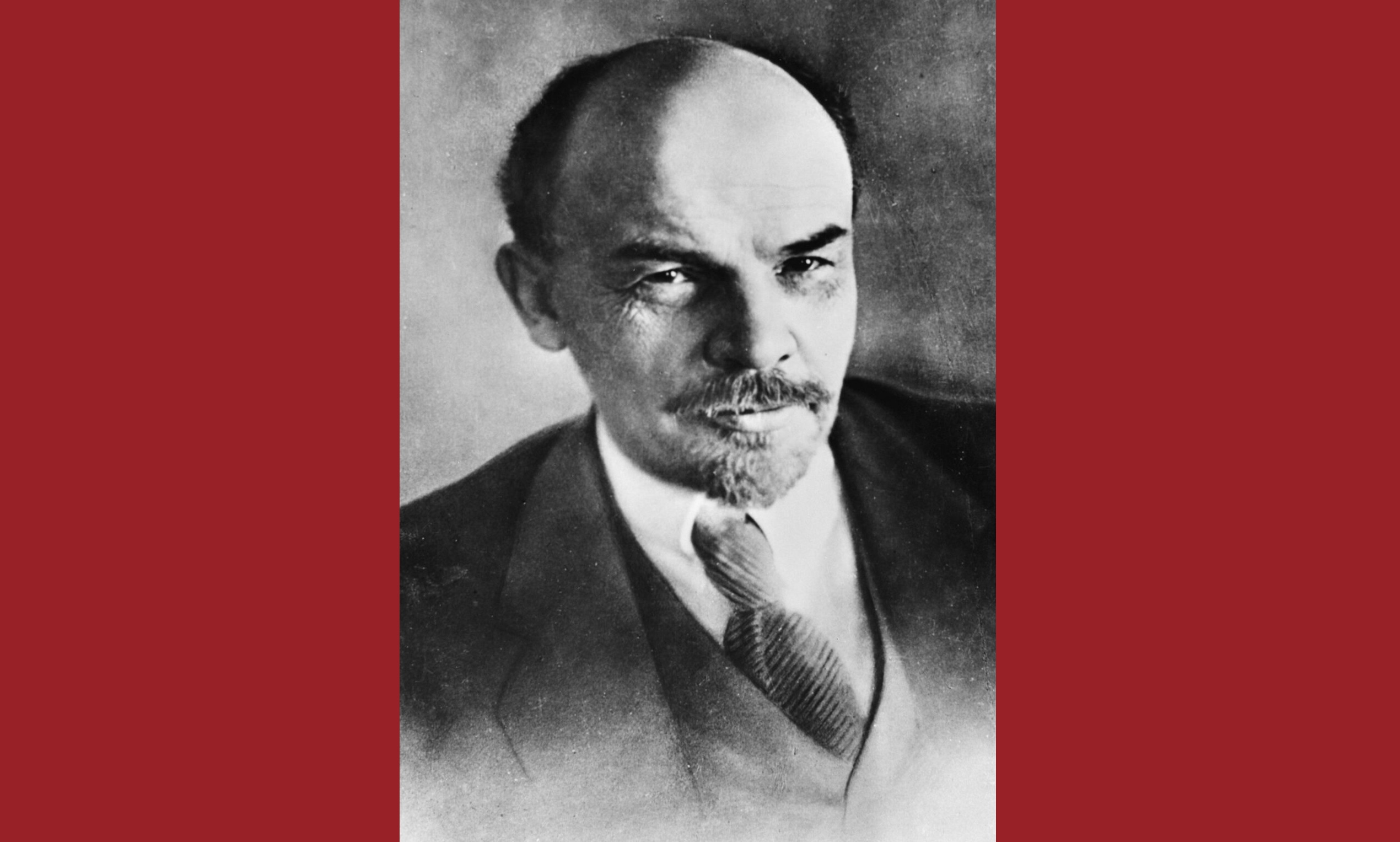
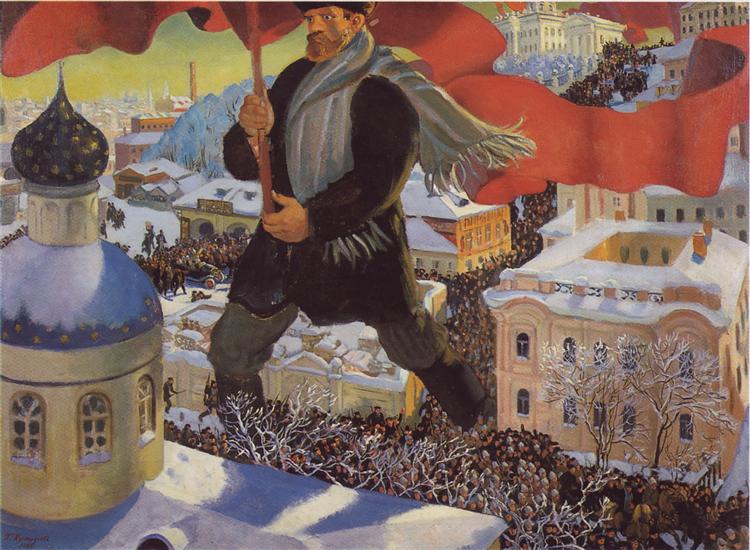
The 1917 Russian Revolution is a clear demonstration of the importance a revolutionary party can play in creating history. The Bolshevik Party played a leading role in ensuring the revolution’s success. It was involved in every aspect of the struggle, from writing broad strategic interpretations of Marxist theory to constructing military tactics at the moment of insurrection. The party acted as the vanguard of the working class, sticking to working-class interests and joining the working class in struggle wherever it occurred. The party recruited those in the working class with the most class consciousness and trained them in theory and revolutionary practice. They also played a crucial role in advancing a clear political programme that consistently held to its belief in workers’ power and aimed to push the struggle as far as possible. They were the only party after the February bourgeois revolution to call for “all power to the soviets”, a slogan designed to encourage workers to keep fighting until they had democratic control over Russia. This consistent radical programme and understanding of workers’ needs won the party the support of the majority of workers, particularly those in industrialised centres, and led them to the first victorious socialist revolution.
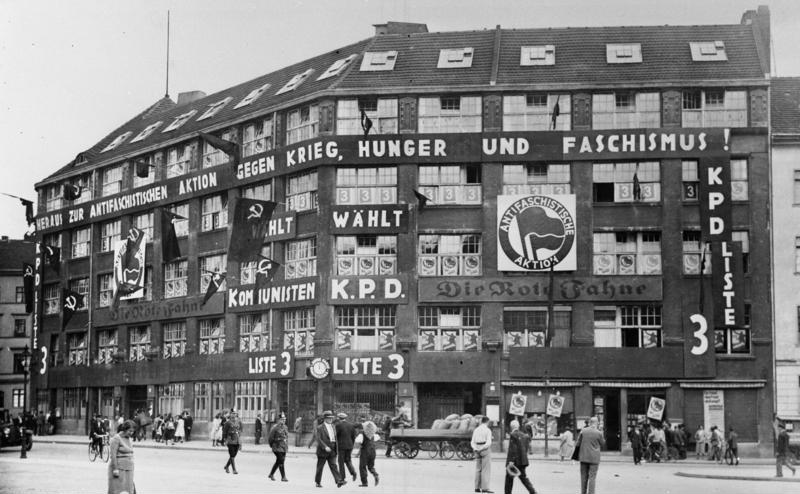
The Russian Revolution, however, was let down by its international comrades. Without political support and trade with another technologically advanced socialist country in the West, it was vulnerable to counter-revolution both from outside and within. A major contributing factor to the failure of other socialist movements was the weakness or non-existence of revolutionary socialist parties. At the time, Germany was the most advanced of the European countries and was seen as most likely to follow Russia to socialist revolution. The major socialist party in Germany was the Social Democratic Party of Germany (SPD). It had mass support and 35 percent of the national vote in parliament. Despite this, it was unwilling to truly represent the interests of workers. Its leadership consisted of large numbers of intellectuals and union bureaucrats whose class interests were more closely aligned with capitalists. The party’s political clarity was weakened to the point that it supported German imperialism during the First World War.
This triggered a split in the party that led to the development of the Independent Social Democratic Party of Germany (USPD). Unfortunately, the USPD also contained significant centrist elements which favoured reunification with the SPD, so much so that they were unable to advance a critical revolutionary programme. The far left of the party failed to recognise this until after the November revolution had taken place, and they did not officially split until December 1919. This meant that at the height of the struggle in November, the working class was led, not by a revolutionary party, but by an openly counter-revolutionary party. The SPD convinced the workers’ councils that had formed during the struggle to hand over power to a conservative national assembly.
If a genuinely revolutionary socialist party had existed in Germany at the time of the November 1918 revolution, it could have influenced the direction of the struggle and drawn in the most militant of the working class, who were being let down by the conservative socialist parties. In this process, the possibility of workers’ power would have been advanced. This party could have strengthened itself to the point where it later would have been able to guide the working class during the height of class struggle in 1923. Instead of facing major defeat, they could have had a successful revolution. This tale is familiar across much of Europe, where the lack of politically coherent advanced socialist parties meant spontaneous workers’ movements were easily smashed by the capitalists. A strong revolutionary party is the major factor that separates success in Russia from the failure of countless other European socialist movements at the time.
The Party Today
History is an important teacher, but New Zealand today looks very different from the Europe of the early twentieth century. It is important to constantly adapt our analysis and ideas to the current moment, but there is still a vital role for a revolutionary party. A revolutionary party does not create revolution: rather, it is available when conditions create a revolutionary situation, to provide a political programme that develops workers’ consciousness, exposes the interconnected nature of oppression, and pushes the struggle towards a socialist revolution. It can be very difficult to know when a revolutionary moment might occur, and spontaneous movements often fall apart because they have weak leadership or no clear political goals. Currently, the world is hurtling towards deepening capitalist crises. Climate change, genocide, and mounting economic instability pose a major threat to everyone. It is under these kinds of conditions that class struggle escalates to the point of a rupture. When these moments occur, there must be forces not only exposing the failures of the capitalist system but posing a Marxist alternative.
It is also important as international socialists to know that we are part of a fight that is not contained to just our borders. Globally, we will see workers’ revolutions in our lifetimes. It is important for Marxists to be active in all countries and to stand in solidarity with workers’ struggles across the world. The world socialist revolution is unlikely to start at home, but it is our job to fight the battle where we are. In the West, that means doing all that we can to prevent our countries from advancing imperialist aims that seek to subjugate other countries and crush the possibility of worker-led states where they arise. A revolutionary party that seeks to understand global politics and hold solidarity with workers of the world above nationalist aims is well placed to lead this fight and to translate revolutionary sentiment abroad into an understanding that workers can change the world.
A revolutionary situation in New Zealand does not appear likely in the immediate future, but this does not preclude the importance of party building in the here and now. Party building in times of downturn has two major strengths. The first is that the stronger a revolutionary party’s ideas are, the better it will be able to respond to revolutionary moments. A strong party with a cadre who have been educated in struggle will be able to provide correct analysis and practical support, and advance the position of the working class when a revolutionary moment arrives. The second is that revolutionaries are the best fighters for reforms. Having a dedicated group of activists committed to Marxist thought and educating themselves through struggle means there is a consistent organisation pushing for a stronger, more militant line that will win workers and the oppressed the best possible outcomes. It also means there will be a group that will maintain the memory of the failures and successes of various campaigns in order to lead a stronger fight in the future.
Building a Socialist Party
If the role of a revolutionary party is clear, how can socialists go about building one? There are no shortcuts: party building can only be done through the taxing process of a small group of socialists working to clarify their ideas and recruit like-minded revolutionaries. As these small groups grow, they become able to engage in small ways with struggles that occur around them, getting valuable experience in agitating, organising, and in some cases, directly fighting repressive forces of the state. Through this process, they ready themselves for times of upsurge, where socialist groups can recruit in their hundreds or even thousands from those who have suddenly come to realise the failings of the capitalist system. It is in these moments that socialist groups can become mass socialist parties with the ability to meaningfully intervene in the struggle and push the working class towards socialist revolution.
Banner Image: THE BOLSHEVIK, PAINTING BY BORIS KUSTODIEV, 1920, LICENSE: FALLEN INTO THE OPEN (PUBLIC DOMAIN)