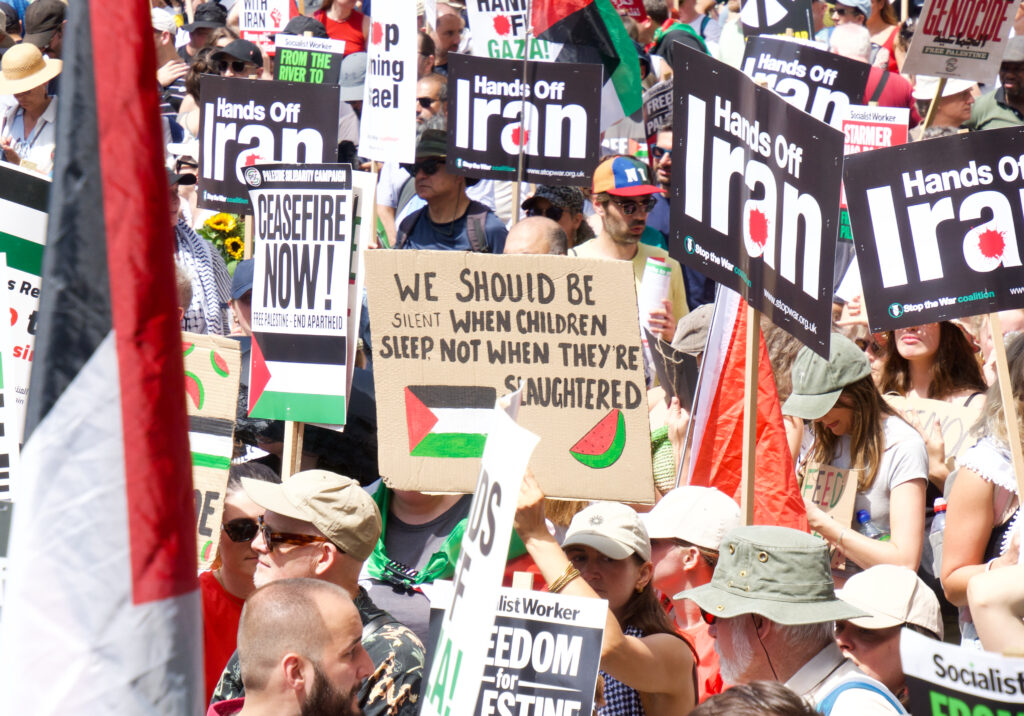
The United States’ and Israel’s war against Iran continues the devastation of the Middle East. Thousands have been killed – including 254 children – and millions displaced. After the years of genocide in Palestine we are now witnessing another catastrophic war in the Middle East. Understanding how to stop such wars requires more than outrage. It demands strategy, organisation, and a clear anti-imperialist and anti-capitalist political perspective.
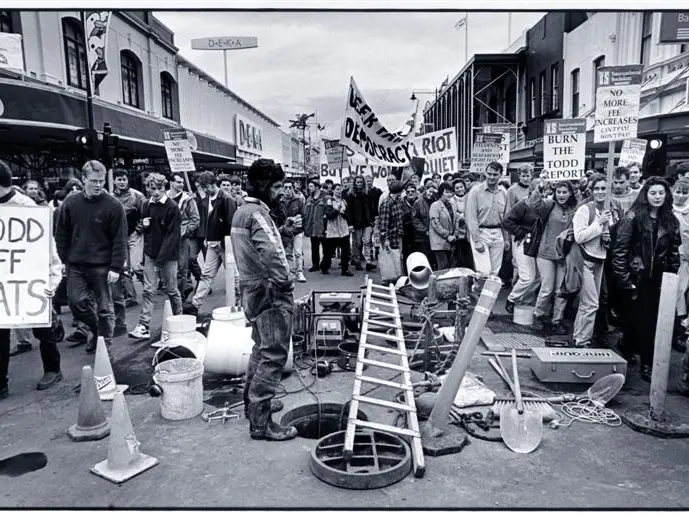
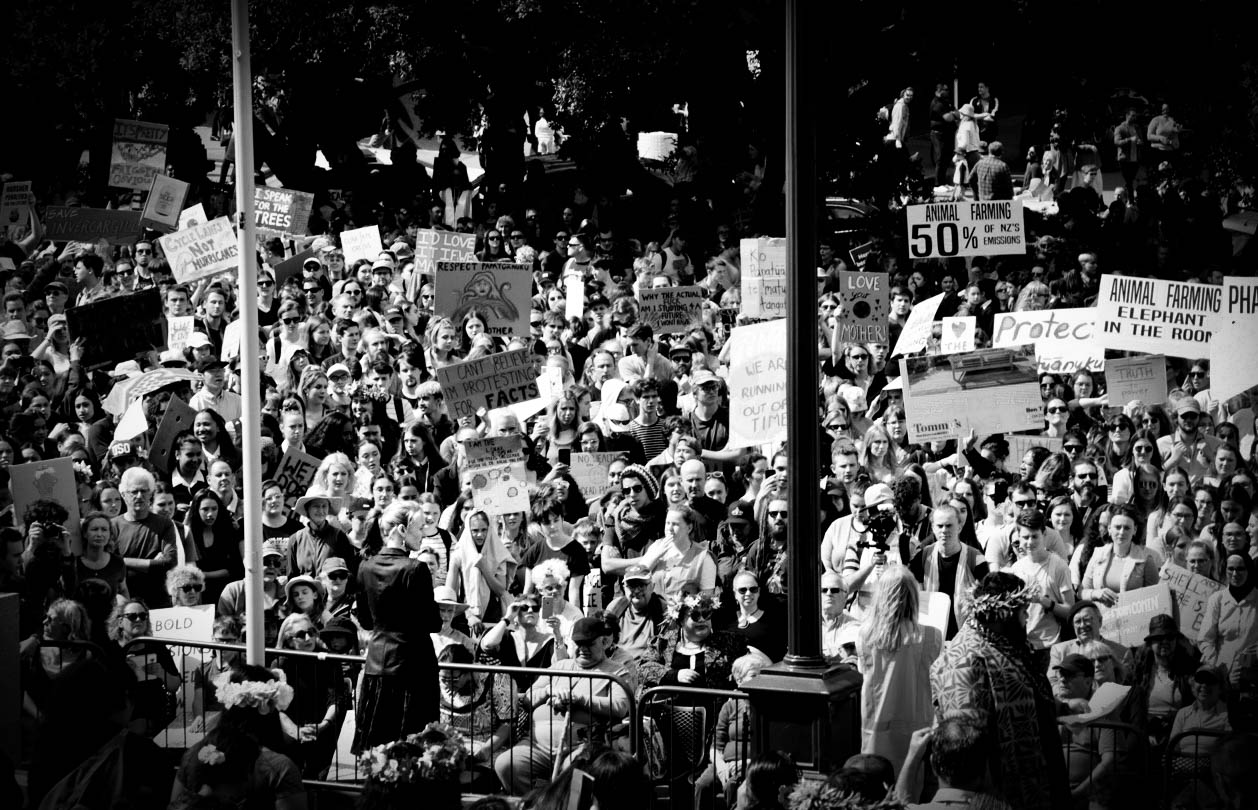
Across the world, a new generation is already moving in this direction. The global wave of pro-Palestine mobilisation since October 2023 has shown the potential of student-led resistance, backed up by workers’ power. From encampments in the United States to mass marches in London, Sydney, and here in Aotearoa, millions have taken to the streets demanding an end to Israel’s assault on Gaza. Universities have become centres of resistance, with students forcing institutions to confront their financial and political ties to war. Unions in Italy and Spain led general strikes – shutting down the flow of profits – to oppose the genocide.
War and Capitalism
Wars like those in Iran, Palestine, and Ukraine, are not accidents or just the result of “deranged leaders” like US president Donald Trump. They are rooted in capitalism itself.
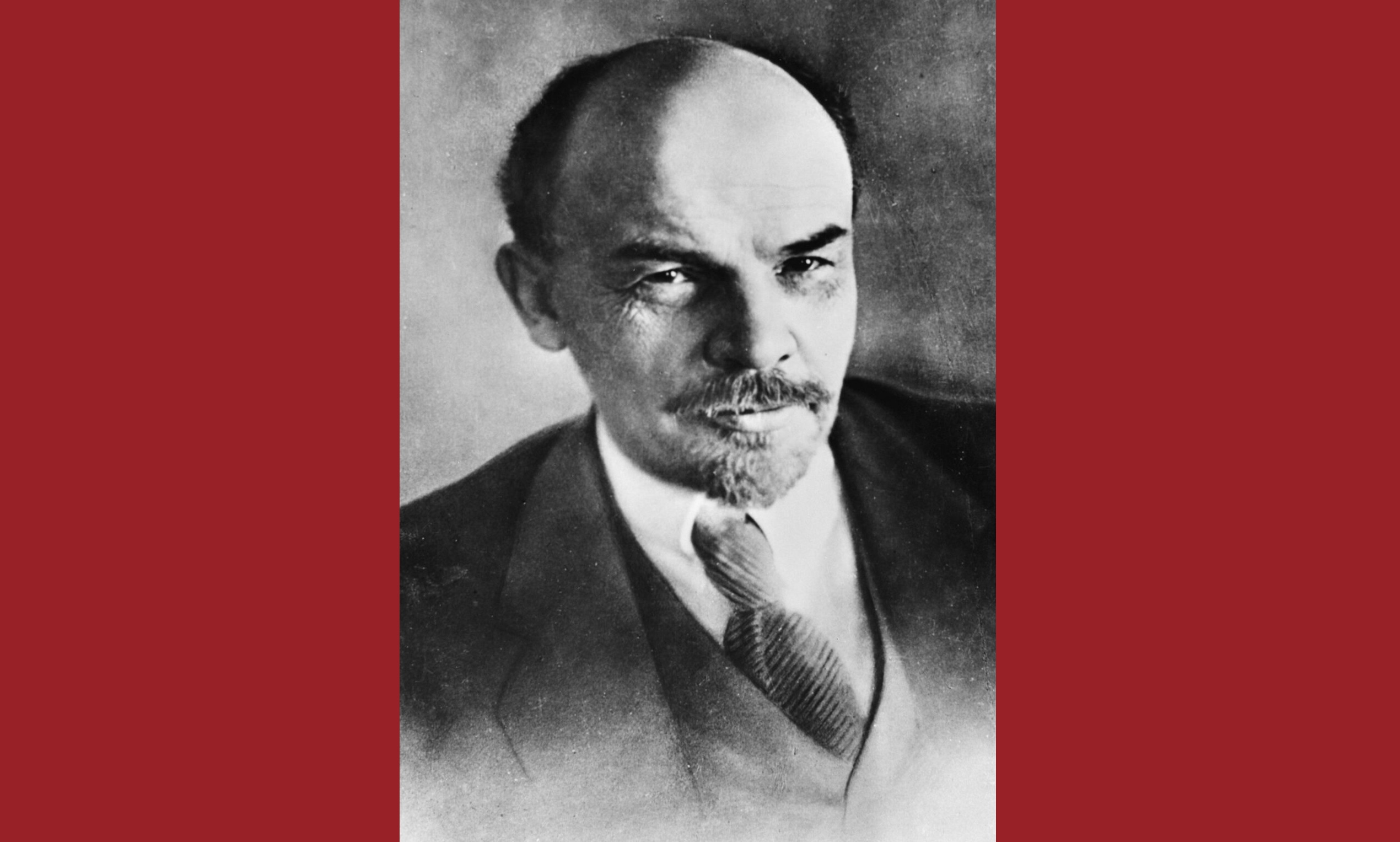
As far back as 1916, Vladimir Lenin argued that advanced capitalist economies are driven to expand beyond their borders in search of resources, markets, and strategic dominance. This competition inevitably produces conflict between states.
We have had more than a century of capitalist wars. The US attempts to maintain geopolitical dominance have impacted every continent of the world, and even Space. Despite its supreme position, the US continues to need to exert its military dominance in the Middle East, in Venezuela, Greenland, Cuba – for the same twisted logic of imperialist rivalry. The US needs to control these resources to curtail China’s growth and influence.
War is not separate from the capitalist system – it is one of its tools embedded into its very logic.
What We Can Learn From the Palestine Solidarity Movement
Since October 2023, the pro-Palestine movement has achieved significant victories.
A mass movement is not just about the mass demonstrations. It is the creative outflow of people who come together to organise these events and build new coalitions and organisations that can build and bring in more capacity of people to keep building. It was this that allowed for the movement’s creative ability to organise mass protests, smaller pickets, vigils, encampments, that have demanded that governments sanction Israel and unions ban the export of arms to Israel. Students have struck in defiance of politicians and principals, and football teams and their supporters have raised the Palestinian flag, filling stadiums with chants of “Free, Free Palestine!”
Student encampments across the US and UK have forced universities to disclose investments linked to Israeli companies, and in some cases commit to divestment and even cancel partnerships with arms manufacturers.
Globally, protests have shifted public discourse around Palestine, with some polls showing increasing support for Palestine in countries traditionally allied with Israel.
But the movement faces a decisive question: how does it escalate? Again, we have the recent Palestine solidarity movements for inspiration: workers’ power.
Why Workers Hold the Key
Students often ignite movements – but workers have the power to stop wars.
We’ve seen unprecedented and powerful pro-Palestine solidarity actions by workers in Italy and Spain in 2023–2024. Unions organised several general strikes involving millions of workers who stopped work, blocking roads, railways, and ports to demand an end to Israel’s genocide.
Everywhere, students are joining striking workers, blockading their schools and universities.
Unions in Aotearoa passed motions and statements of support for Palestine. While these mean little on their own, they can lay the foundation for future solidarity action.
We need to see more of the kinds of actions that stop the flow of profits to the capitalist class. Time and time again, we’ve seen that the ruling class will happily sit through protests and even mass marches. But what they cannot tolerate is if it impacts their profits. That’s the collective power that workers hold and can potentially wield: stopping the flow of profits, disrupting the business-as-usual cycle.
The United Front – A Strategic Approach
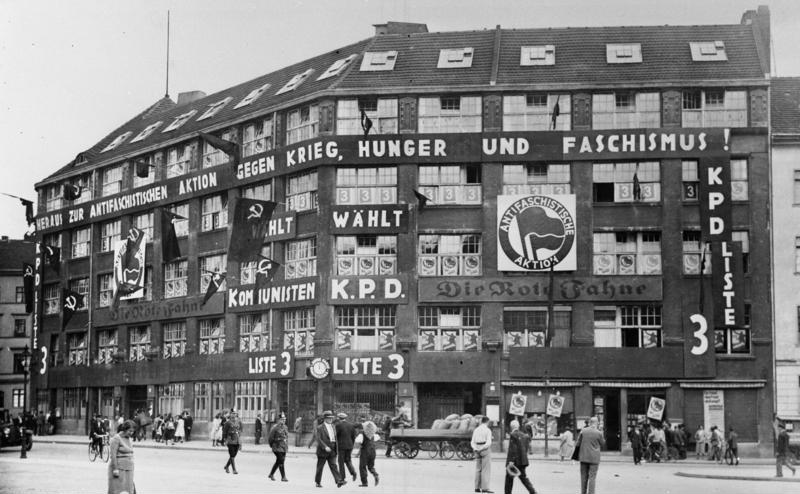
Russian revolutionary Leon Trotsky developed the concept of the “united front” in the 1920s in the backdrop of rising fascism and working-class fragmentation. Trotsky argued that socialists must work with broader forces – even those with differing political perspectives – around concrete, immediate goals.
Applied to anti-war organising, this means building coalitions that include trade unions, student organisations, community and church groups, human rights groups, and reformist organisations like Greens and Labour parties, willing to oppose a specific war or narrow set of demands. The key principle is “march separately, strike together”: maintaining political independence while engaging in common action. Again, if we look to the mobilising power of Palestine solidarity, the key demand was simple: stop genocide. Under this broad umbrella, different groups could have differing perspectives on liberation but the overarching demand is stopping the genocide: a demand that the broad masses of people could rally behind and mobilise for.
For socialists, the united front approach avoids two pitfalls. On one hand: sectarianism – refusing to work with others unless they agree on every point – which isolates socialists and other activists on the Left from ordinary people. On the other: uncritical alliances which can dilute socialist politics. The united front balances these pitfalls by focusing on practical unity in struggle. We need this practical unity to rebuild a mass anti-war movement.
The War on Iran Today
Compared to the solidarity movement against the genocide in Palestine, which drew on years of organising before October 2023, Trump’s bombing campaign against Iran has presented a more confusing situation for activists. Iran’s rulers are deeply unpopular and despotic; the attacks started with little warning and with less apparent justification; and pre-existing networks were not there to mobilise. So where to now?
If Trump’s actions were sudden, they built on a decades-long and bipartisan hostility to Iran across US politics. Iran has nearly had five decades of being demonised by the US and the West. This kind of demonisation doesn’t disappear overnight. Moreover, the Iranian regime has openly killed and massacred its own people. And so, the Iranian diaspora is divided over the issue of these US strikes.
As we rebuild the antiwar movement, we need to be careful to explain these issues clearly to potential allies. As Iranian-born women’s rights activist Aida Tavassoli argues:
Opposing the war does not mean ignoring the Islamic Republic’s long record of abuse. And criticising the regime does not justify the bombing of civilians. Both forms of violence must be confronted at the same time.
There are reasons for hope that things may change quickly. For starters, polls show that the war on Iran is deeply unpopular. The ramifications of this war are already hitting the pockets of ordinary Americans hard. Rising gas prices affect every aspect of our lives. US soldiers returning in body bags will mean even more pressure in the US domestically.
For socialists and others on the Left, the challenge is how to turn this sentiment into action. The resurgence of global protest – from Palestine solidarity to climate strikes – shows that a new generation is ready to fight.
But history is clear: awareness and moral outrage are not enough. Protest is not enough. Mobilisations are not enough. We need to organise, and build organisations that have the capacity to challenge every imperial war that the US and its allies venture. From history, we know that wars are stopped when movements disrupt the flow of profits, win the support of the working class, and create a genuine political crisis for those in power.
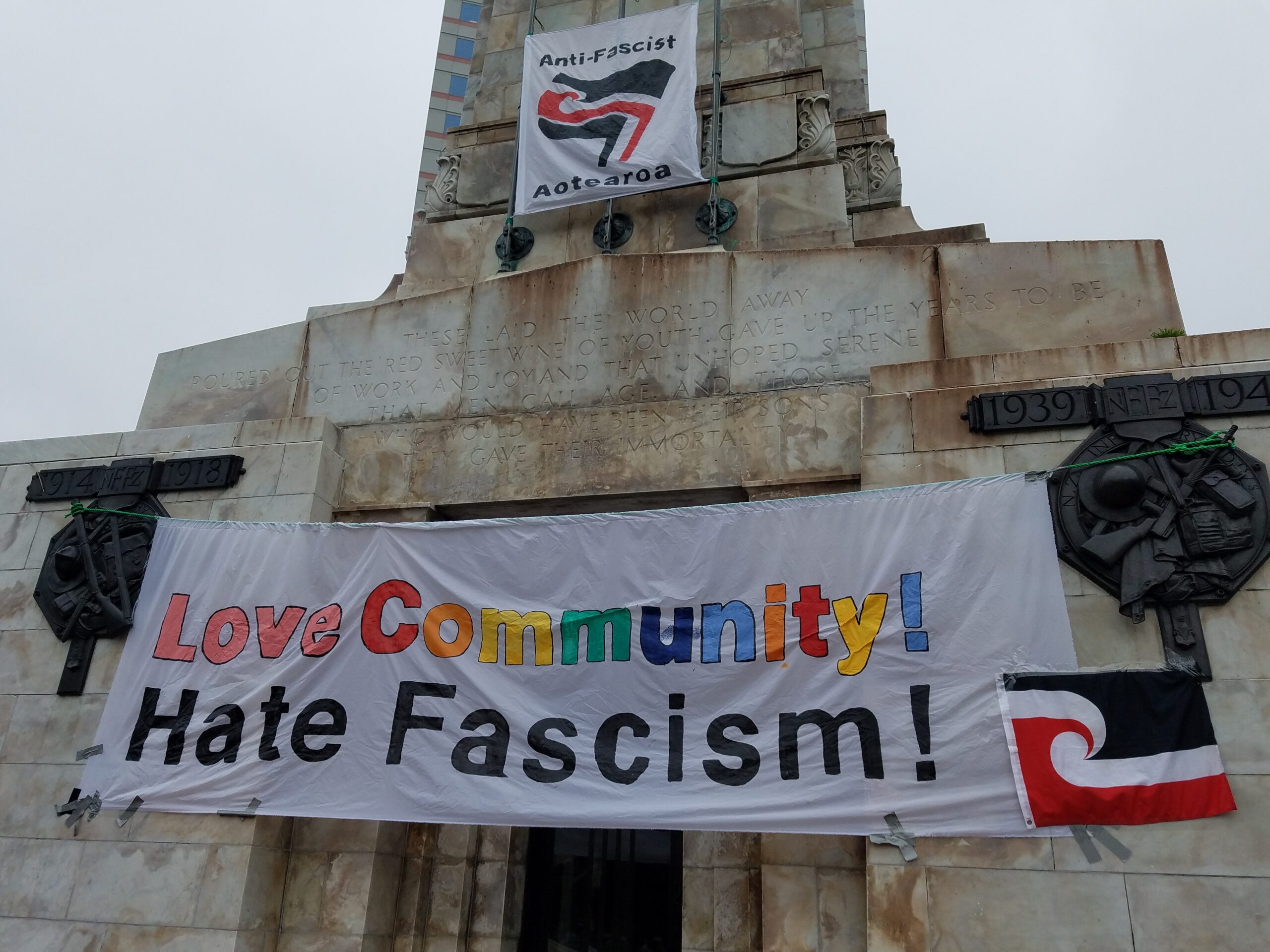
In Aotearoa today, that means participating and building antiwar demonstrations by postering, petitioning, leafletting. We need to rebuild the antiwar movement that gives confidence to new layers of people coming into antiwar activity that you can be antiwar and anti-regime too. It means that we’re open about our antiwar politics by wearing antiwar badges. It means we want union involvement and to pass statements and motions against the war.
It also means bringing our politics of anti imperialism and anti capitalism to every event so that we can make the case to people we meet that these wars are more than just Trump. And that if we’re serious about stopping all wars, we have to be against this capitalist system that breeds unending wars and interimperial rivalry. We need to find the next generation of socialists and activists to stand with and alongside us who are committed to this mahi.
Photo caption: Pro-Palestine demonstration during Israeli strikes against Iran in 2025. Photo credit: Indigo Nolan on Flickr, CC BY 4.0.