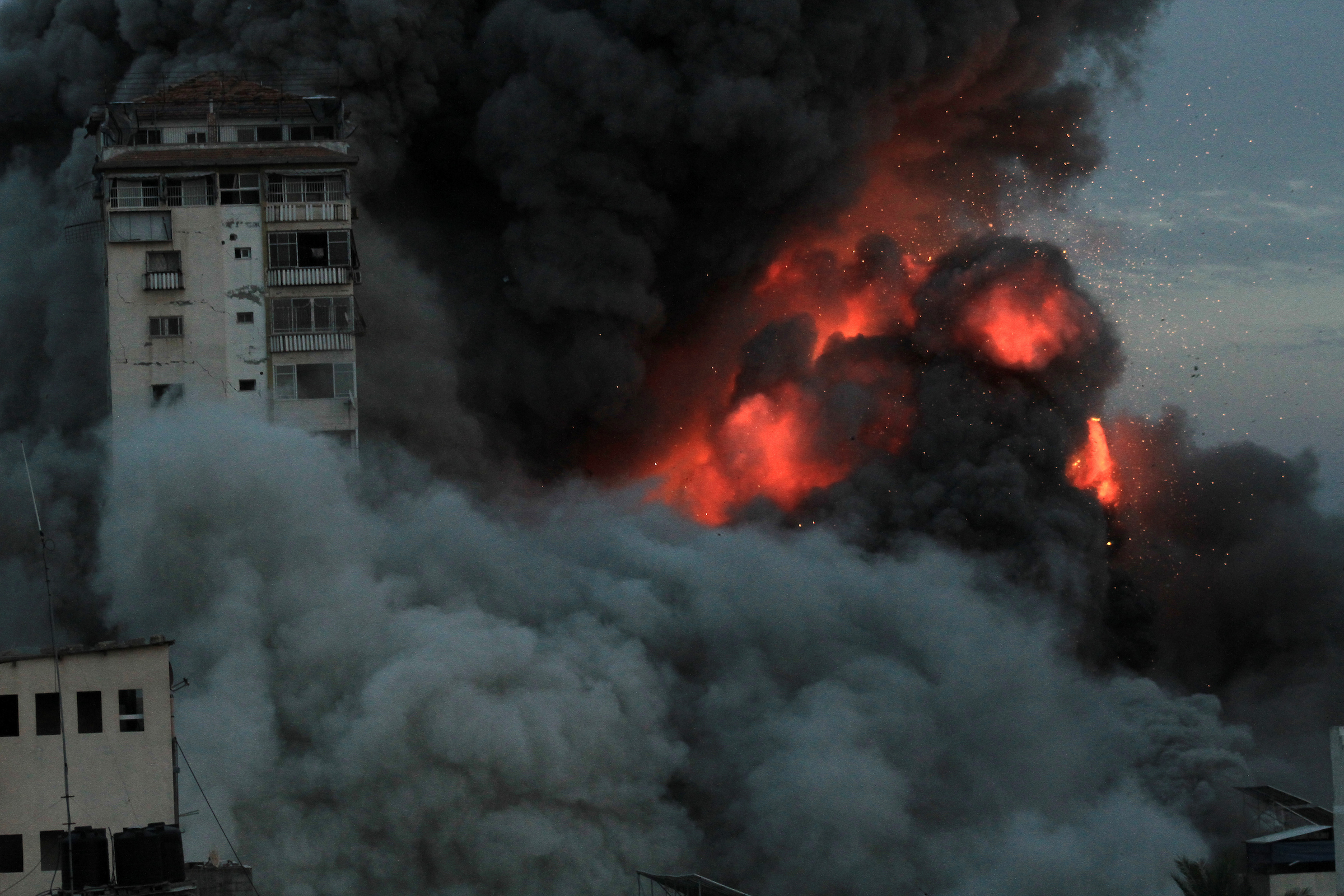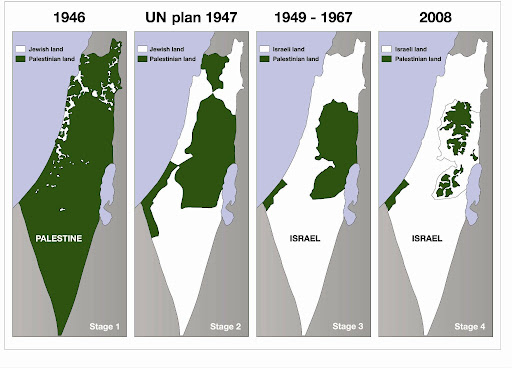
As of late April 2026, the mountain of bodies victim to imperialist war is growing taller. Gaza is being bombed; southern Lebanon is under Israeli invasion and occupation; intense fighting between Iran, the US, Israel, and their regional allies has only just lulled amid talks; the Russia–Ukraine war rages on; horrific wars continue in the Congo and elsewhere in Africa. Meanwhile, the US and China are gearing up for war, and military budgets across the world are skyrocketing, with New Zealand being no exception. Taken as a whole, this state of affairs is the rule with capitalism, not the exception. Yes, war has been a feature of all class-based societies, but capitalism, in its relatively short time as the dominant world system, has driven war on a whole new scale, resulting in the bloodiest, most barbaric conflicts in our history. Understanding the capitalist drive to war is a key step anyone must take in the fight against war and imperialism.
The birth and expansion of capitalism over the last few hundred years has resulted in an explosion of innovation and productive capacity. Recognising the logic behind this innovation helps to explain why it turns toward war.
Capitalist society is organised around the principles of competition and wealth accumulation. Our economies are battlefields where capitalists fight for market share. In attempts to overcome their rivals, capitalists are driven to maximise output and minimise costs. They do this by investing in innovation to increase productivity, and driving down the wages and conditions of workers: in other words, increasing the rate of exploitation. A capitalist who rests on their laurels, who is not constantly finding new ways to exploit and generate more profits, is most likely to be outdone or subsumed by a competitor. This creates larger and more powerful monopolies.
The drive to war stems from this central dynamic of capitalism. Capitalist nation-states compete on the international stage to give their blocs of capitalists the best positions in the world economy. They compete over things such as resources and energy, market access, and key global logistical hubs. Take, for example, crude oil. Crude is a key strategic resource used as both a versatile energy source to fuel production and a vital material in the production of countless commodities, notably: plastics, petrochemicals, fertilisers, and pharmaceuticals. It is easy to understand how cheap access to crude oil and other production inputs could aid capitalist states representing blocs of capital to outcompete their rivals.
Key points in the global supply chain, such as the Suez Canal, the Strait of Hormuz, and the Panama Canal, are key sites of capitalist competition. Control over them allows capitalist nation-states to control the flow of trade and potentially cut off or restrict this flow to their rivals. Just think of global capitalism’s reaction when Egypt nationalised the Suez Canal in 1956, or even the current blockade of the Strait of Hormuz. Market access through favourable trade deals, as well as labour markets, are also areas of competition.
Each of the major capitalist nation-states and the blocs of capital they represent are playing capitalism to win, to achieve dominance over the world’s resources, markets, and trade routes. If a capitalist state is unwilling to compete to the utmost, to the point of war, then it will be sidelined and dominated by a rival. This is the fundamental logic of capitalism, and the root of the vile war inflicted on the workers of the world since the dawn of capitalism.
To sum up: capitalism, unlike any of its predecessors, has unleashed massive innovative and productive forces. Rather than improving people’s lives and helping society, these massive forces are employed in the interests of profit accumulation and fierce inter-capitalist competition. The full socialist approach to fighting militarism and ending war and imperialism for good is beyond the scope of this short article, though we can clearly state this: in the interests of the vast majority, we must struggle against capitalism and against the exploitative, militaristic ruling class. We must struggle towards a world organised collaboratively, not competitively: a world run by the workers themselves.
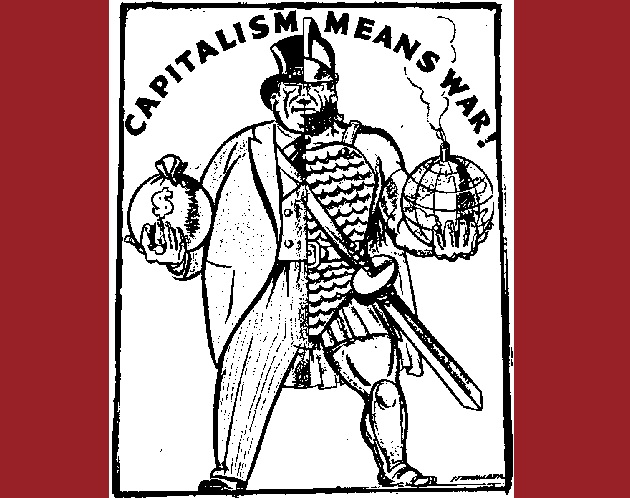
Banner Image: an anti-capitalist political cartoon. Source: leftcom.org