At the University of Auckland, right next to the city campus library, is a large stone wall. At eighty-five meters long, the stretch of basalt rock is the remnants of the Albert Barracks, a British military installation constructed by Waikato Māori and British engineers during the late 1840s and finished in 1852 to assuage Auckland’s fearful settlers of an incursion by Māori of the North. Within ten years, the British crossed over the Mangatawhiri River – what Governor Grey saw as a natural border – with an army; marching into the King Country, they butchered the people of the Waikato out of fear of Māori independence movements.
What then is a wall by any other name? That which we call a border is just as cruel – division, separation, segregation, categorisation until it is sold to us as securitisation, protection, and defence. The myriad names applied are as discrete and implicit as they are as obvious as the barbed-wire fence dividing us. What is a border by any other name? They are the projections of control exerted by state and commerce. By establishing and enforcing borders, a state can assert its exclusive right to govern a specific territory and its inhabitants: a claim to exploit, coerce, profit from, and manage a population and an environment, hypothetically free from external interference. Borders allow states to regulate the movement of people, goods, and ideas into and out of their territory, which is a fundamental function of sovereignty.
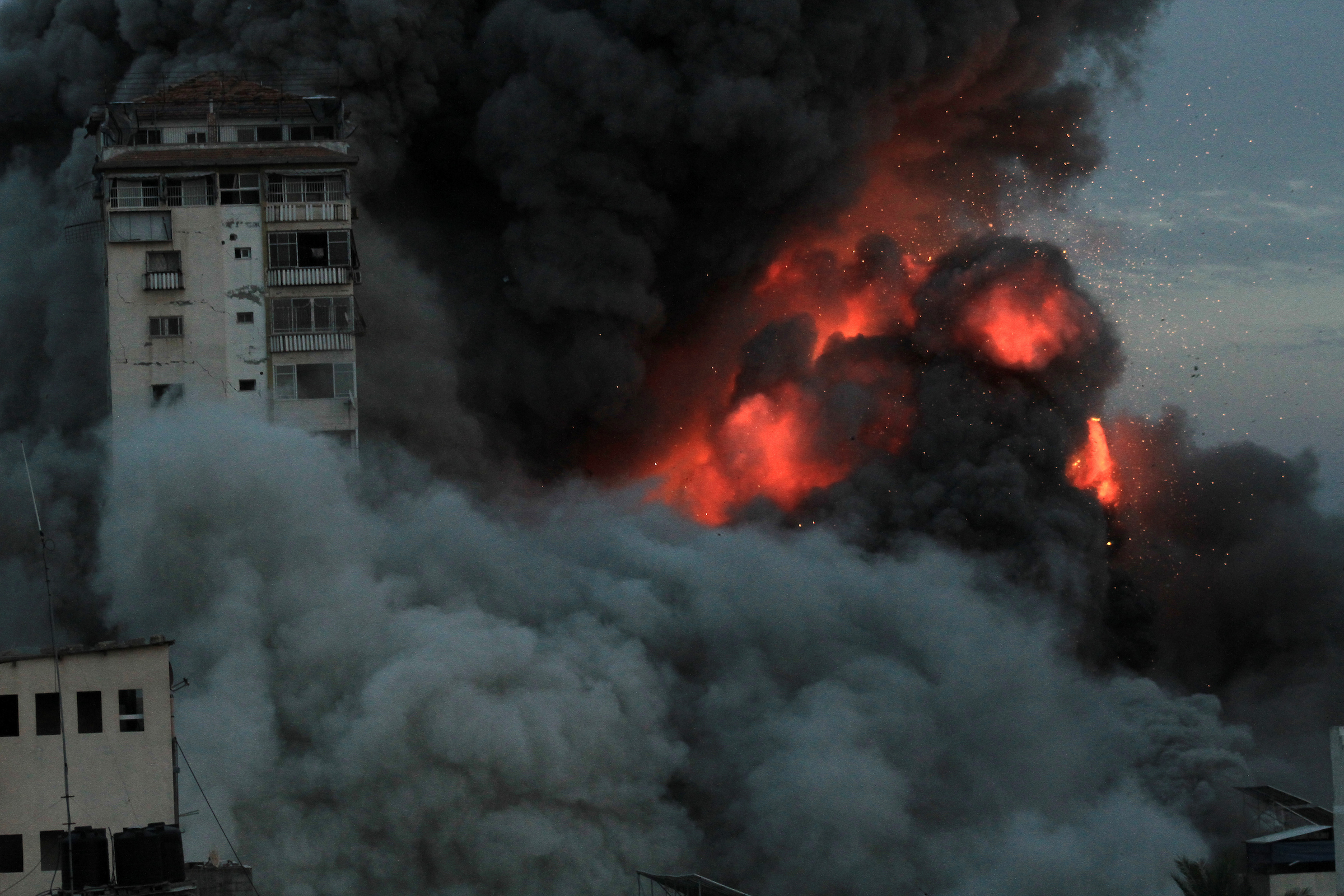
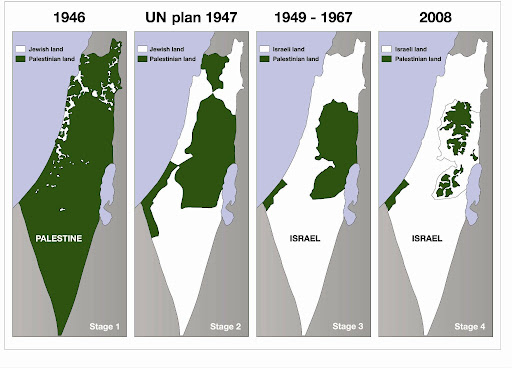
An organised pogrom by far-right forces against immigrants and asylum seekers began this year in Belfast, Northern Ireland, on the evening of Tuesday 9 June. Seizing on a horrific stabbing attack by a Sudanese refugee, mob violence left innocent families burned out of their homes and communities terrorised across the city. The ongoing terror campaign of the US Federal Government against those who the US State has deemed “alien” and “illegal” has seen 68,000 people detained in camps as of April this year, including Everlee Wihongi, a Māori woman unjustly imprisoned by ICE for two months and only recently released. The myriad horrors of our time, from Sudan to Palestine, all within and without the borders of the world’s nations. Genocides to make them, and genocides to hold them.
We see here how the intersecting concepts of borders and sovereignty (or lack thereof) are impressed upon captive workers. One such example of this intersection is the state security bureaucracies that spend US$25 billion in the US alone, enough to avert famine four times over in 43 countries. The entrapment of the minds and bodies of workers is manifest, pushed on the desperate, hopeful, and timorous masses – those of the world who move as refugees, migrants, and nomads.
There’s a bleak way of looking at moments in history which causes who, why, when, and how to lose meaning. There, in bordered spaces, sits only the settler and the native. We lose sight of the families and people involved. When we think of the Albert Barracks wall, we know not of the stories about the stonemasons and the whānau who fed them; nor of the relationships between the many traders and iwi who exchanged food, company, and histories with each other before a fence was placed between them, on the land and in their memories. Bleak histories of division tell only of us and them, with the land separated, alienated, and exploited.
Fences criss-cross the long drained marshlands and planted forests across Aotearoa. They determine who owns the parcels of land taken in colonial ventures, backed by credit from banks, both international and local. Money, ambition, and death have crossed oceans and fields, cutting up the land, the sutures present with every fence post and fence wire, stitching fields into squares and rivers into frontiers. Your land on that side, mine on the other. Borders, whether national boundaries or markers of private property, are not politically-neutral facts of existence; rather, they function as mechanisms that separate workers, peoples, and places from one another, for the totara split is food for the fire. Territoriality, the actions and beliefs that create distinct spaces for distinct groups of peoples, no longer rely on historical relations, social connections, memory, or shared negotiations across communities to exist.
Rather, the sectioning of the world into ours, theirs, mine, and yours casts an illusion over our very eyes across the rivers and mountains. People who are otherwise alike in hopes, dreams, and the capacity to achieve both, tear into each other as those histories, the complex relations between us all, are weaponised and spread to divide, rather than unite communities across the world.
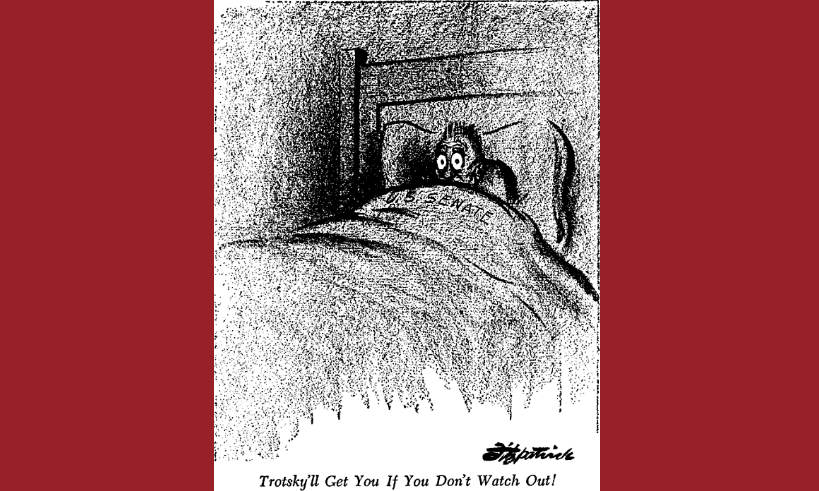
Marx noted in 1870 that: “The ordinary English worker hates the Irish worker as a competitor who lowers his standard of life. In relation to the Irish worker he regards himself as a member of the ruling nation…” whereupon borders enforce these ideas from on high, as English, Russian, Japanese, Nigerian, or Canadian capitalists tie these bordered territories, territories often enforced by blood and ruin, into the minds and onto the bodies of the workers of the world. Marx continues: “This antagonism is the secret of the impotence of the English working class, despite its organisation. It is the secret by which the capitalist class maintains its power. And the latter is quite aware of this.”
If a single step takes you from one country to another while the land remains underfoot, no line upon it, what really is a border? Our capacity to organise collectively across these projections is undercut by the weighting of history. It paints a world in hues of national conflict and competing interests that cage the mind and murder empathy for our fellow people, fellow places, and all that remains between us.
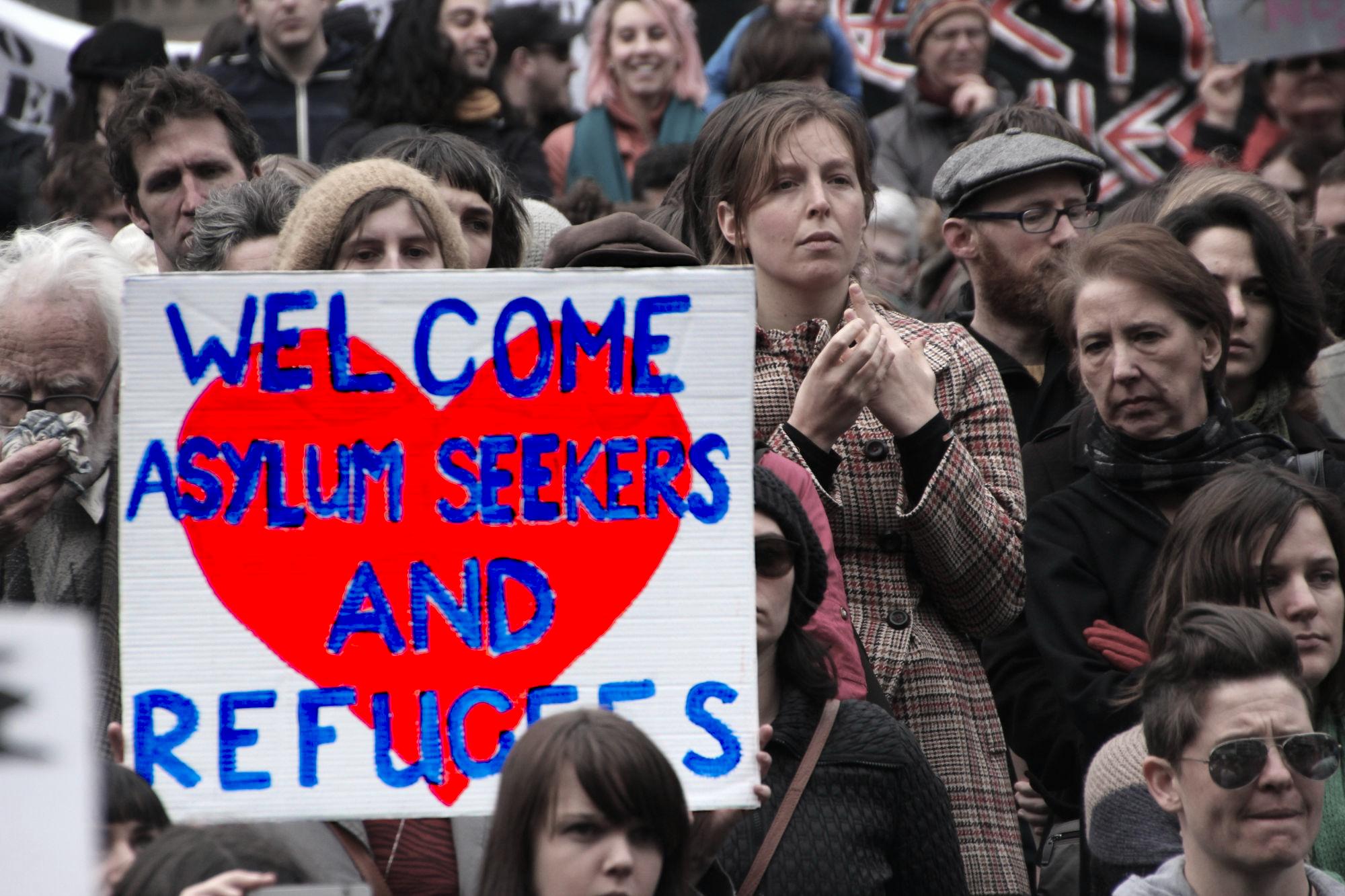
Here, laid bare, is a global capitalist system; a global system and therefore a global struggle. Workers in every country are exploited by capitalism. The lines drawn in treaty and blood demand opposition, and so, we must understand what the most important thing is when the dotted line determines your life, refuge, freedom, and death. The borders we have inherited in the world are alienated from us; we inherited their limits like chains, a weight of responsibility to that which we do not know. As the consequences for people running from war, famine, discrimination, and exploitation follow them, with no hope as long as a barbed wire fence keeps one worker out of paradise, and another trapped in a prison.
Leaving a fence to the fields, hills, and valleys for even just a few months – without the careful maintenance and enforcement on bodies and beliefs those fences imply – can result in even the most impressive wall covered in vines, thick with grass, and lost from view. The trees of all nations, whether yew, oak, tōtara, or kōwhai, know no distinction across the dotted line of a border or the police behind them. Ihumātao’s contested history is the confluence of many peoples who, though sharing ancestry, had to negotiate the harsh conditions of reclaiming lands lost to war. The infighting was caused by scarcity and then expulsion by the British colonial government, yet in the struggle to reclaim a place under the colonial border, it reforged the many lines of whakapapa to unite as a community today. Though with its issues and difficulties, people spread like the wiwi grass across land and sea. The movement of people and the forging of connections are not reliant on the existence of forced borders, but on the needs and relations that facilitate arrival, departure, and survival.
There is no easy way to build the world but to take up the tools of struggle, and then to struggle away. Haumi e, hui e, tāiki e: come together, united together, and onwards, together.
What is a border by any other name but our chance to overcome them? Where the creation of history demands the contest of classes and nations, we, the people of the globe, travellers, nomads, those of the land and cities, the workers of the world, must look towards making relations anew. We must strive for a borderless world, not of forts and walls, but of great fields and roads a-winding, across the forests and mountains, bringing our world together, not locking each other away.
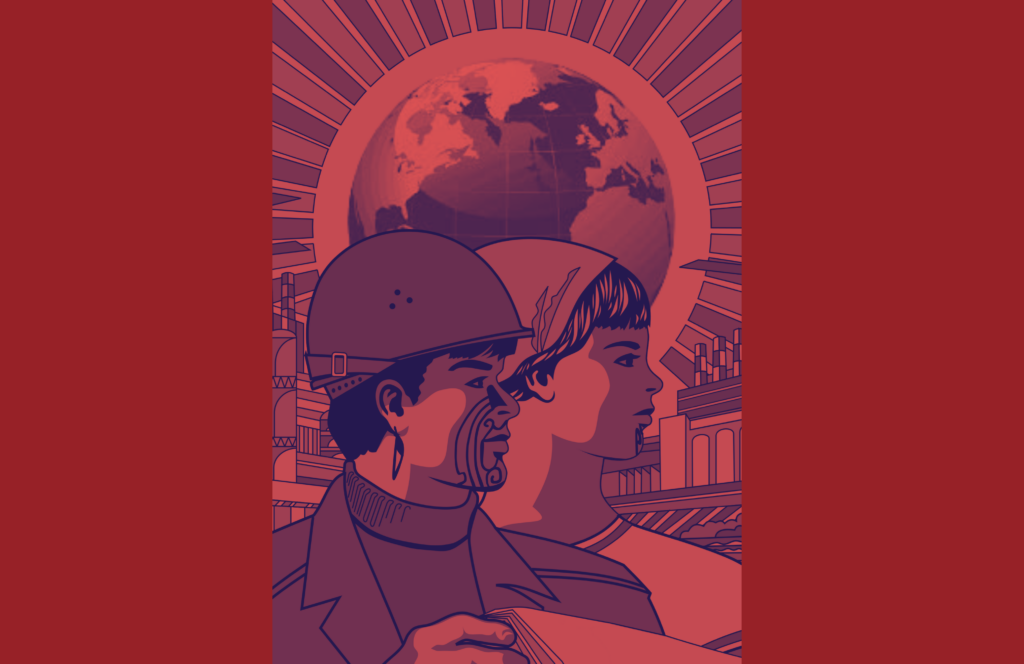
Image caption: Image representing workers with moko kanohi (face tattoo) and moko kauae (chin tattoo). Image credit: Tā moko by Kaakatarau Te Pou Kohere, added to a remix of images from Needpix (public domain) and Rawpixel (free use).