For centuries, capitalists have claimed that the working class need capitalism because it guarantees our freedom from tyranny and from encroachment into our personal liberties.
The capitalist free market is promoted as being our sole means of attaining political and economic freedom because of the way it channels individual workers into consensual relationships of exchange with those who seek to buy our labour power. While painting a pretty picture, we know that this promise of freedom isn’t reality. This “choice” to sell our labour power is where our freedom begins and ends. Capitalism provides material freedom to those who live off our labour and our rent, but fails to adequately provide political and economic freedom to the workers themselves. The rich few have the freedom to do whatever they want. But what freedoms do workers really have access to? We may be free to choose between 20 different brands of shampoo, or which boss will dictate to us next, but without ownership of the means of production or access to wealth and decision-making power in our workplace, we are restricted from experiencing freedom in a meaningful way.
The economic freedom the working class are said to achieve under capitalism is inherently limited by the logic of the system itself. While we may be the ones who labour to produce value, we are restricted from accessing the economic benefits we create because they are snatched up by capitalists and treated as their rightful property. On top of this, we do not have the freedom to influence employment decisions which significantly affect our day to day lives and impact our ability to access essentials such as food and housing. Capitalists have all the power in this relationship, so the tactics employed to keep them all wealthy are treated like infallible laws of nature we must submit to and are powerless to change. We often hear that our wages should be kept low, to ensure capitalists maximise their profits. Or that maintaining levels of unemployment in society is necessary, because it restricts the power workers have over their employers and ensures there is a constant supply of labour available for capitalists to exploit. Australian CEO Tim Gurner has even suggested that unemployment should increase by 40-50% to remind workers that it is not capitalists who are “lucky” to have us, but it is actually us who are lucky to have capitalists.
Living under such precarious conditions means that our personal liberties are restricted in many ways. We are not always free to refuse a job if we have rent to pay. We are not always free to fight for fair and liveable wages if our employers can threaten us with consequences if we engage in industrial action. We are not free if we have to choose between spending time with our family or working increased hours to make ends meet, and we are certainly not free if our government can cancel the processing of $12 billion worth of pay equity claims that had already been allocated to workers. When discussing the personal impact this policy promoted by Brooke Van Velden has had, a support worker from Wellington has shared that “I was so angry. It made me cry, to be honest. I don’t think she has any idea what our lives are like, and what we’re up against with our employers”. These kinds of unequal and exploitative economic relations are shrugged off by capitalists, because hey, that’s just how the “real” world works. What freedoms the working class have to sacrifice to keep this “real” world working is inconsequential. As workers, we know we deserve better than that. We know we should get paid fairly for the work we do and that we should have the freedom to dictate our working conditions to suit our lives. It is this belief that has inspired generations of workers before us to fight to improve the conditions all workers are subject to.
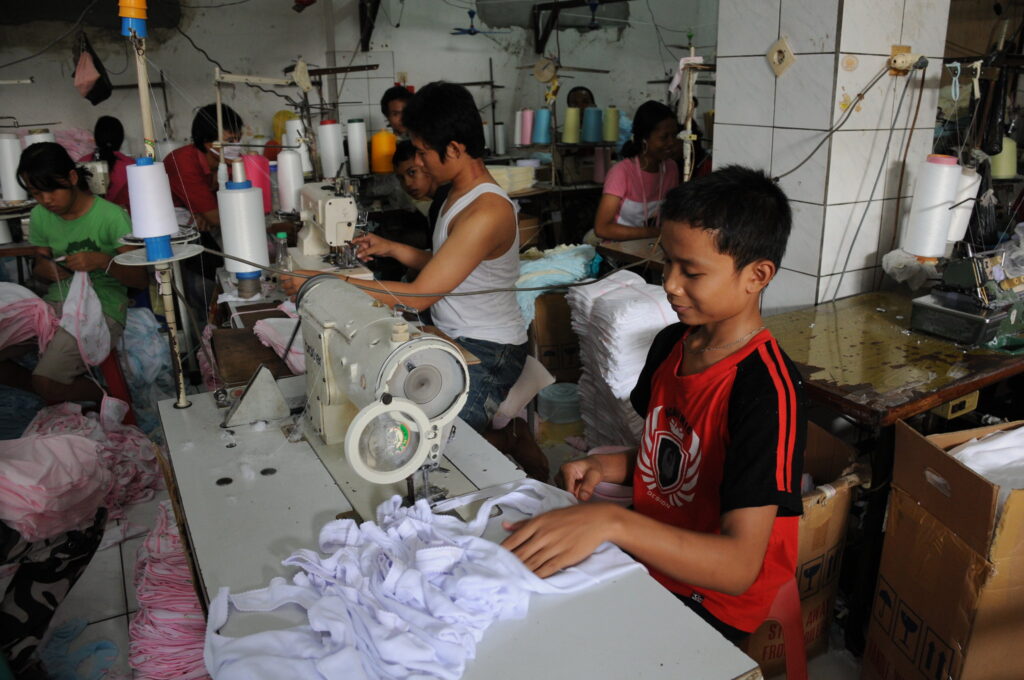
It is these brave workers we have to thank for the freedoms we have access to today. They fought hard to establish child labour laws so that working-class children could be free to be children, and for the 40-hour work week so that we could have more “free time” to spend with our loved ones and on the things that matter to us most. These rights were not bestowed upon us by the ruling class but in spite of them. To this day, if capitalists think they can get away with breaching the freedoms workers fought so hard for, they will choose to do so. According to the Child Labour Report released in June 2025, 138 million children around the world are subjected to child labour, with 54 million of these children forced into “hazardous work.” These kids are paid next to nothing to mine cobalt in the Democratic Republic of Congo for billion dollar tech giants, or to produce garments for billion dollar clothes manufacturers in Bangladesh. This reliance on child labour is so pervasive that in 2023, World Vision calculated that, on average, households in Aotearoa spent $77 per week on goods likely made through child and forced labour, and in total imported nearly $8 billion worth of goods associated with child and forced labour in 2022.
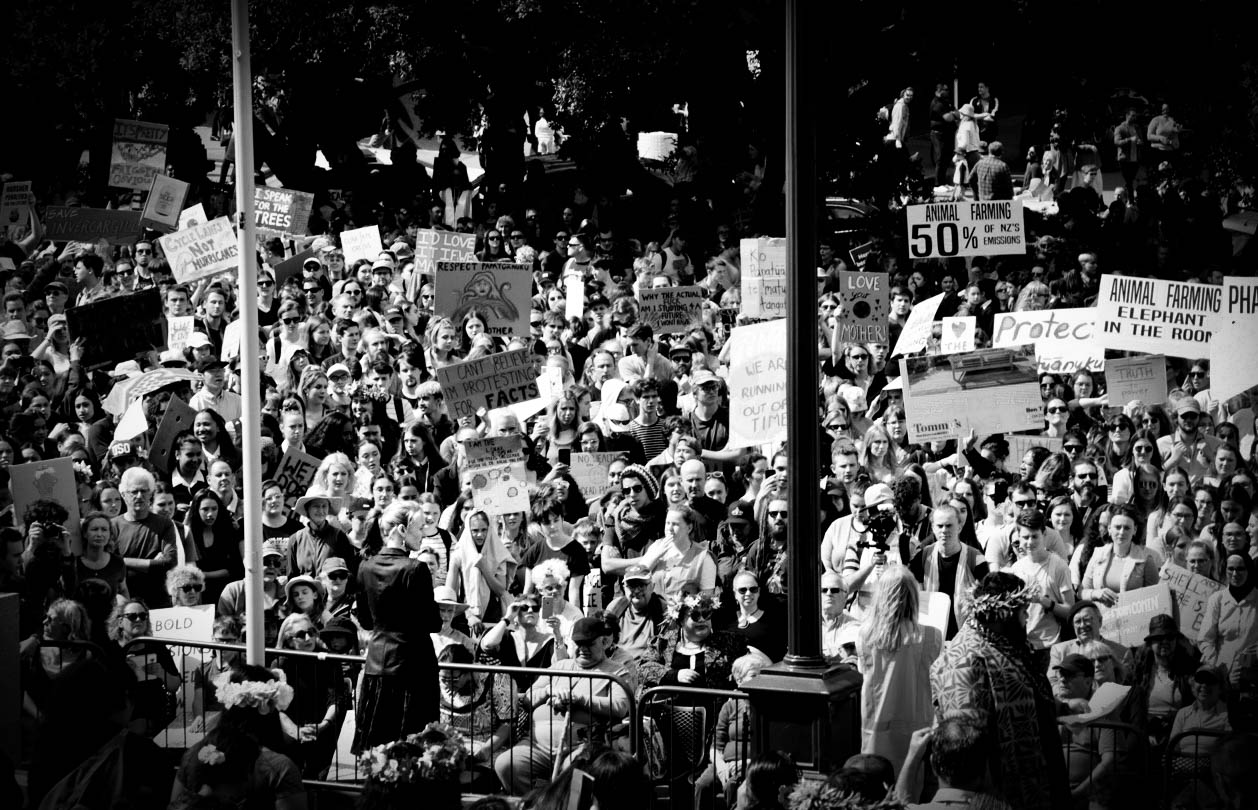
It is clear that freedom for the working class is not produced by the capitalist system and is in no way guaranteed by it. That is why our right to protest and strike is so important. These rights are the only recourse we have to effectively challenge the ruling class and improve our conditions. The ruling class is well aware of this power dynamic and have been acting out in an oppressive manner recently to try and suppress the growing solidarity movements flourishing amongst the working class. Amnesty International has found that state authorities across 85 countries are increasingly resorting to the unlawful use of force and the imposition of repressive laws to counteract growing protest movements. In Britain, the Network for Police Monitoring has released a report arguing that the “aggressive” use of new anti-protest laws by the police has become so extreme it amounts to state repression. In our own backyard, Judith Collins has recently released a scathing open letter to the public, denigrating the workers who have been forced to strike for better pay and safe conditions, while propagating a false narrative that workers are choosing to harm the public to advance a political agenda.
Like the workers who have come before us, we must fight against these attacks on our freedom and challenge this system where the freedom of the few to exploit the many comes at the cost of our children, our living conditions, and our precious and fleeting time. The material conditions we face are proof that freedom isn’t guaranteed to the working class and that it comes with a price tag the majority of us can’t afford. To free ourselves from these chains, reforming the capitalist system is not enough. To be truly free from the exploitation and restrictions the working class face around the world, the capitalist system needs to be destroyed and replaced with a socialist system which democratises the workplace and provides a life of dignity and freedom for all.
Banner Image: Child textile workers in Indonesia, Source: ILO Asia-Pacific