
The Dawn Raids: Capitalism and Resistance
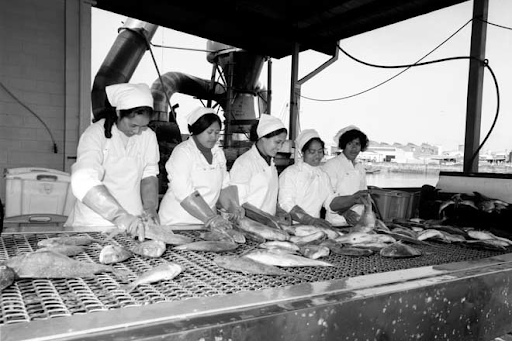
The real start of the Dawn Raids was not on 13 March 1974. Instead, the true origin lies much earlier, in the post-war economic boom of the 1950s. The industrial expansion at the time created a massive demand for labour, especially cheap labour for manufacturing and construction. The rapid expansion of industry combined with union […]
Local Council Amalgamations Must Be Resisted
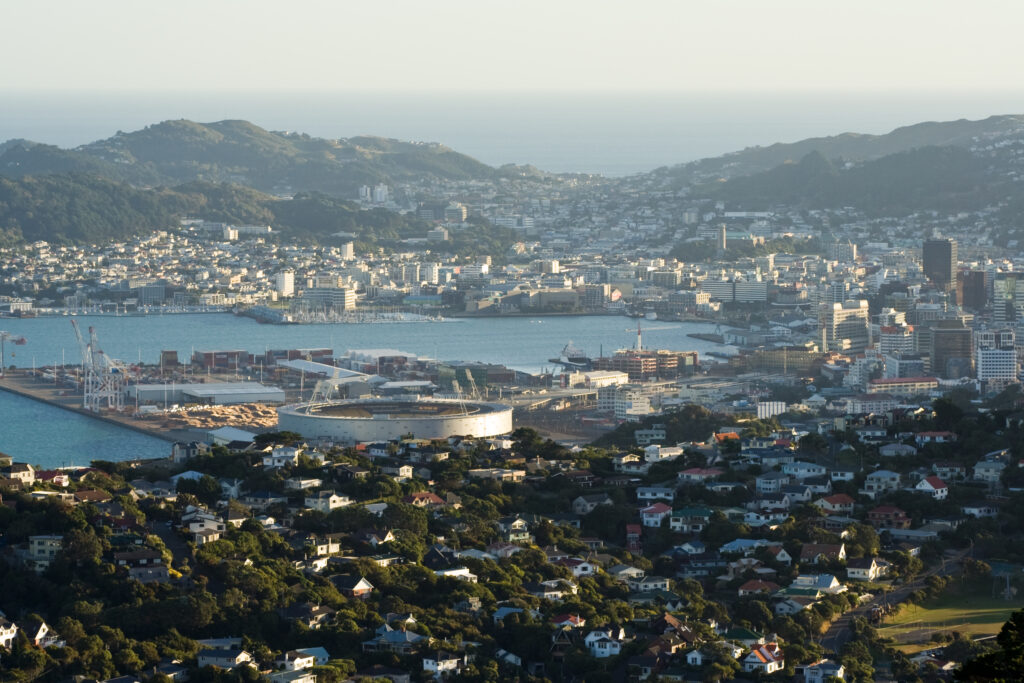
An attack on democracy in the local government sphere is underway. The government is attempting to force local councils to amalgamate, form regional unitary authorities, and abolish the City and District Council tier of local government. Existing District, City, and Regional Councils must either submit their own plans for amalgamation to central government by 9 […]
The Conservation Amendment Bill: Still Heading in the Wrong Direction
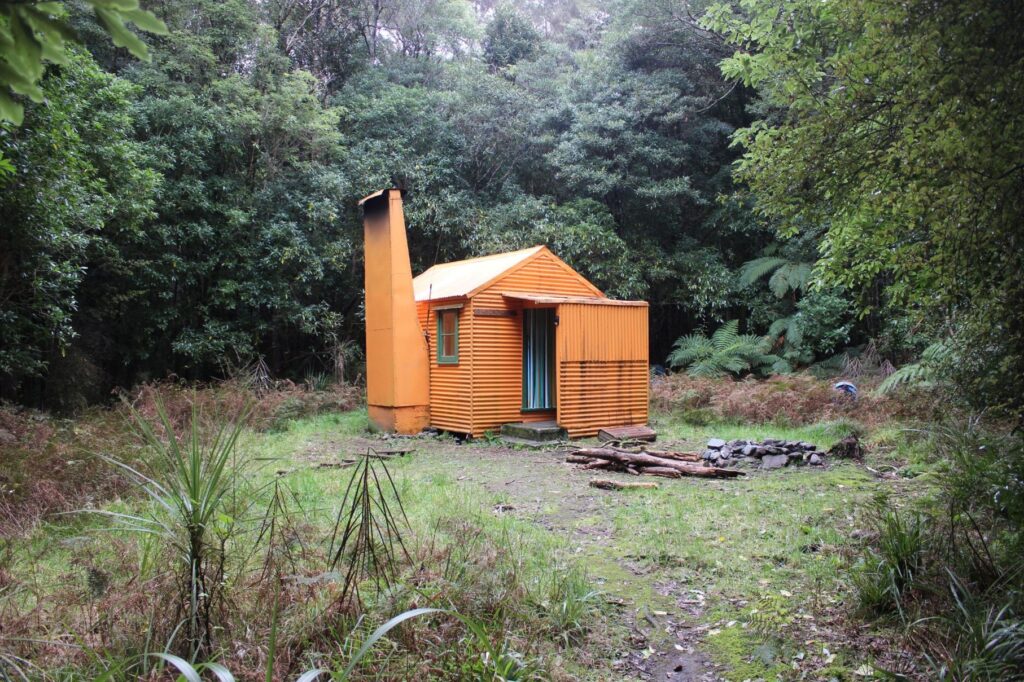
In May 2026, conservation minister Tama Potaka introduced the Conservation Amendment Bill, the biggest proposed overhaul of Aotearoa’s conservation system since the Department of Conservation (DOC) was created in 1987. The bill would shift DOC’s purpose from protecting nature to managing “assets” in a way that “balances” conservation with economic growth. It would also weaken […]
New Laws Harken Back to the Dawn Raids Era
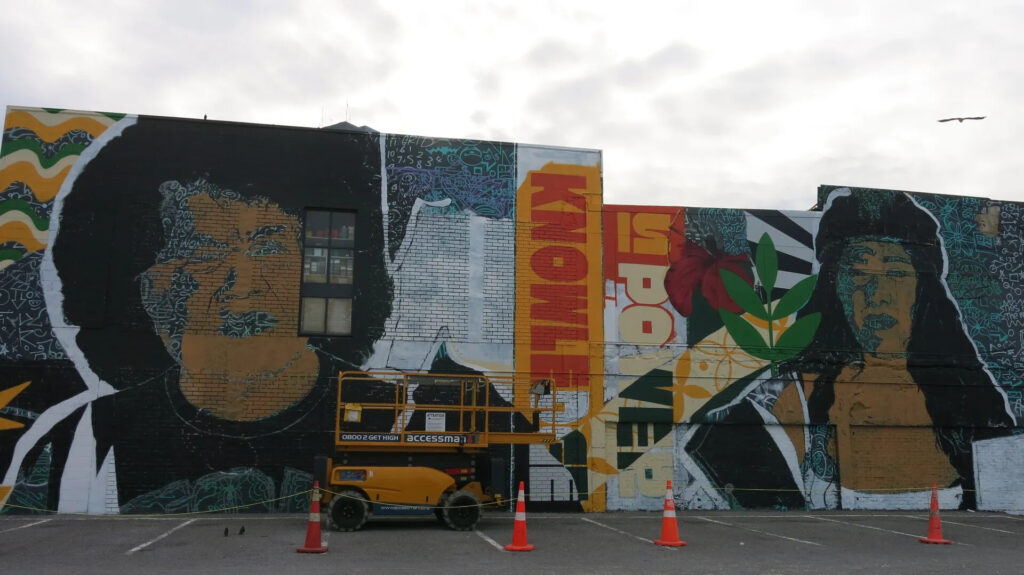
Under new laws, immigration officers will be able to demand identification from suspected overstayers at their homes and workplaces. These out-of-hours compliance visits harken back to policies of the Dawn Raids era of the 1970s, in which Pacific peoples were forcefully targeted as “overstayers” despite only constituting one-third of migrants staying past the expiration of […]
Migrants are not Disposable Workers!

Last year on 18 December, International Migrants Day, Union Network of Migrants (UNEMIG) joined with other groups to protest outside the office of Immigration Minister Erica Stanford, raising the slogan “migrants are not disposable workers.” Mandeep Bela, president of UNEMIG, said that “today is about recognising the immense contributions of migrants, but also confronting the harsh realities many face. Our immigration system has created a profound power imbalance, trapping workers in silence and fear.”
Party Profiles: The Alliance

The most brutal right-wing government this country has seen since the 1990s is in power. The opposition is led by Chris Hipkins, the spineless neoliberal Labour Party leader promising to be a “continuity candidate” for the Coalition’s far-right policies. Now, with the 2026 general election approaching, a spectre is haunting Aotearoa – the spectre of “democratic socialism.”
Protest Report: Ōtepoti – No Cuts to Fees Free!
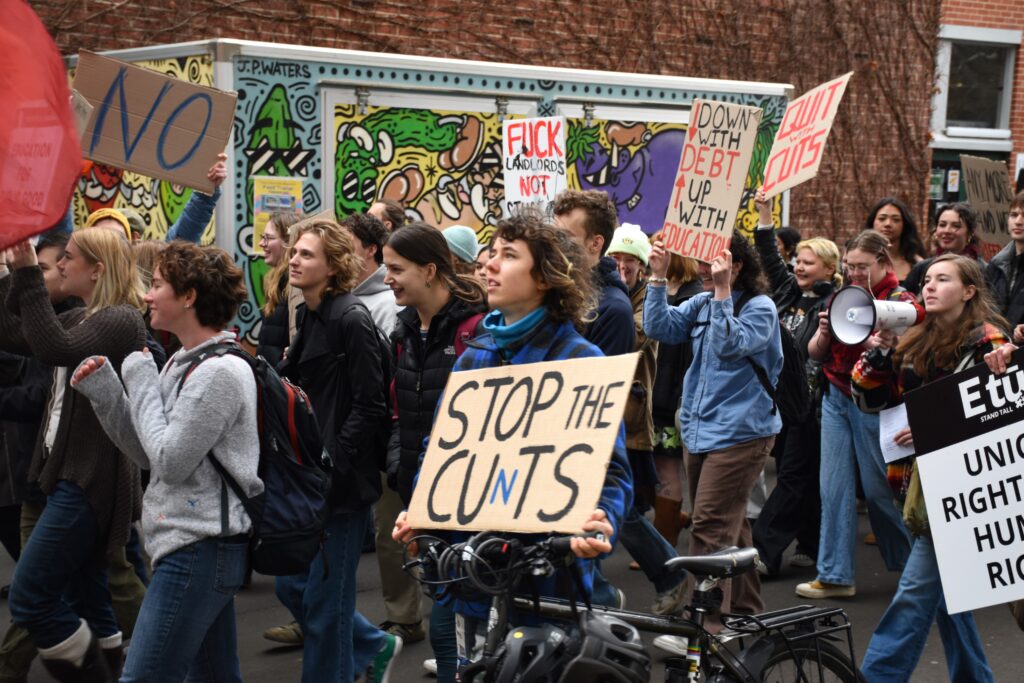
The Spark Ignites in Ōtepoti On Thursday 28 May 2026, around 400 students marched through the University of Otago campus, down George Street, and to the Octagon, adorned with various flags, placards, and banners. As students recognise their strength in numbers, the spark of a student movement is igniting in Ōtepoti. After the progressive rise […]
Postering on Campus a Step Too Far? Student Politics in the Corporate University
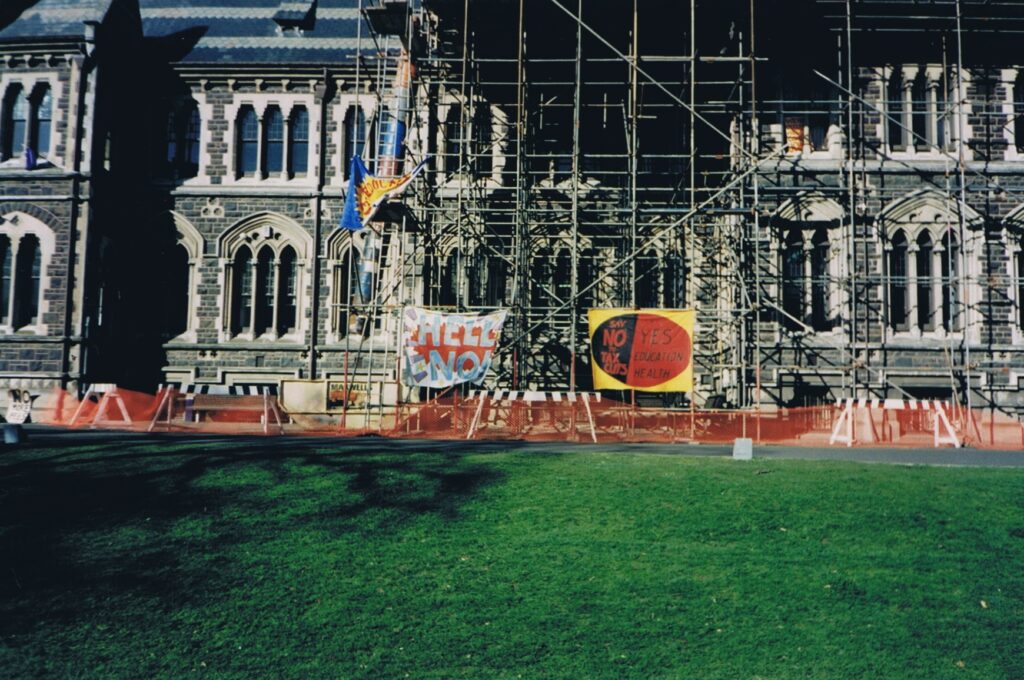
On 20 May 2026, political student groups received an email from the University of Otago proctor Dave Scott, requesting that students only poster in allowed places, threatening legal action and financial compensation if billsticking continued. While seemingly an innocuous request for students to respect the Proctor Office’s Code of Conduct, Scott’s email betrays the thorough […]
A Class War Budget

Above all else, what Nicola Willis and Chris Luxon are doing in the 2026 Budget is taking from poor and middling folks and giving to the rich, who also happen to be National and ACT’s main political donors. More precisely, Budget 2026 continues to maintain comparatively low tax rates on corporate profits and high incomes, […]
Social Reproduction Theory: The Working Class Against Oppression
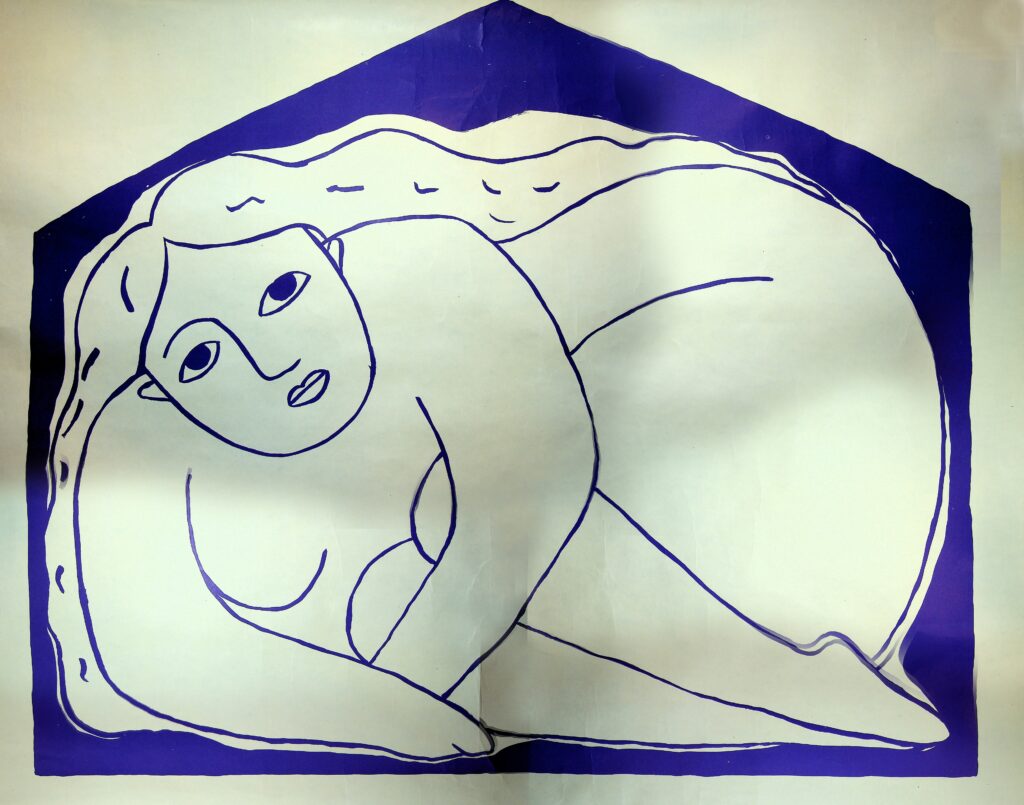
How should the Left understand racism, sexism, homophobia, transphobia, and ableism? And how do these categories relate to class? Some view the problem as ideological: the ruling class uses bigotry as a distraction to divide the working class. If our anger is misdirected towards marginalised groups, those in power escape our notice, and therefore accountability. […]

