This article was published in Salient earlier in 2025. This version expands on Stewart’s philosophy, notes the utilisation of missionaries, and contains other minor editorial differences.
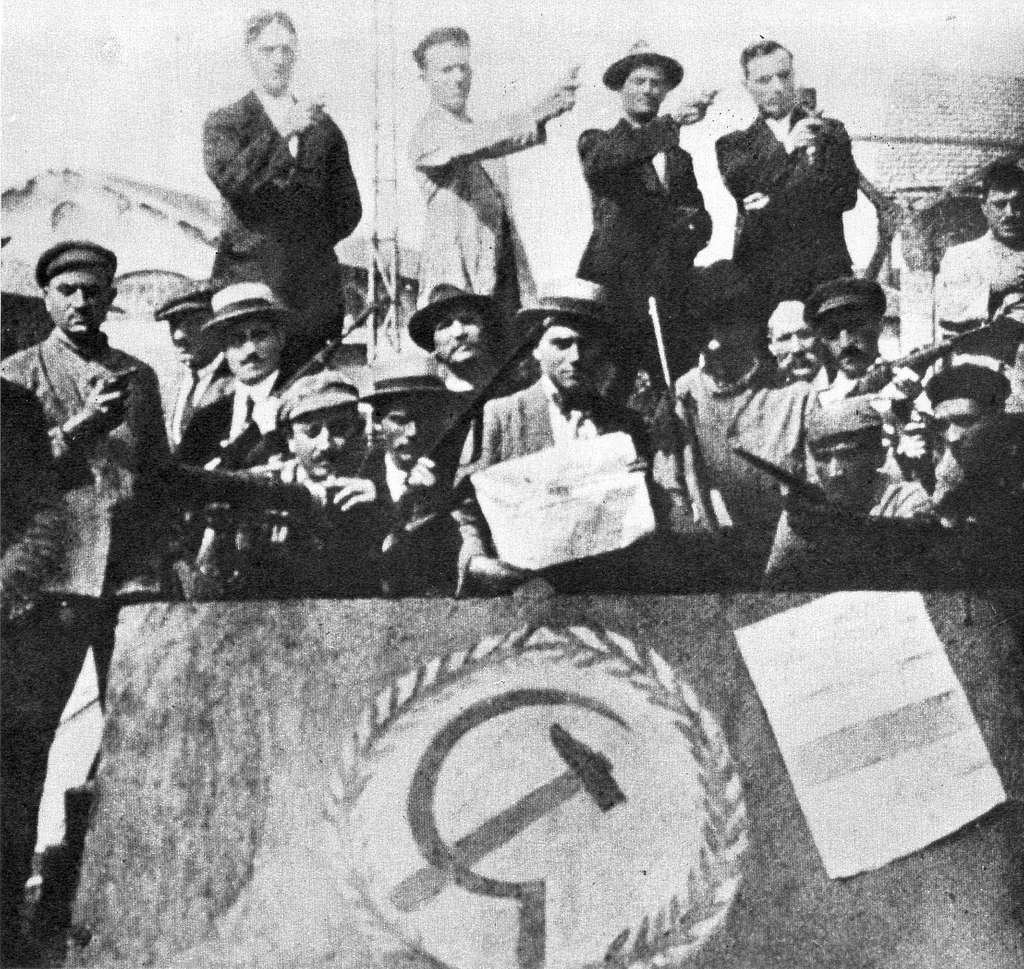
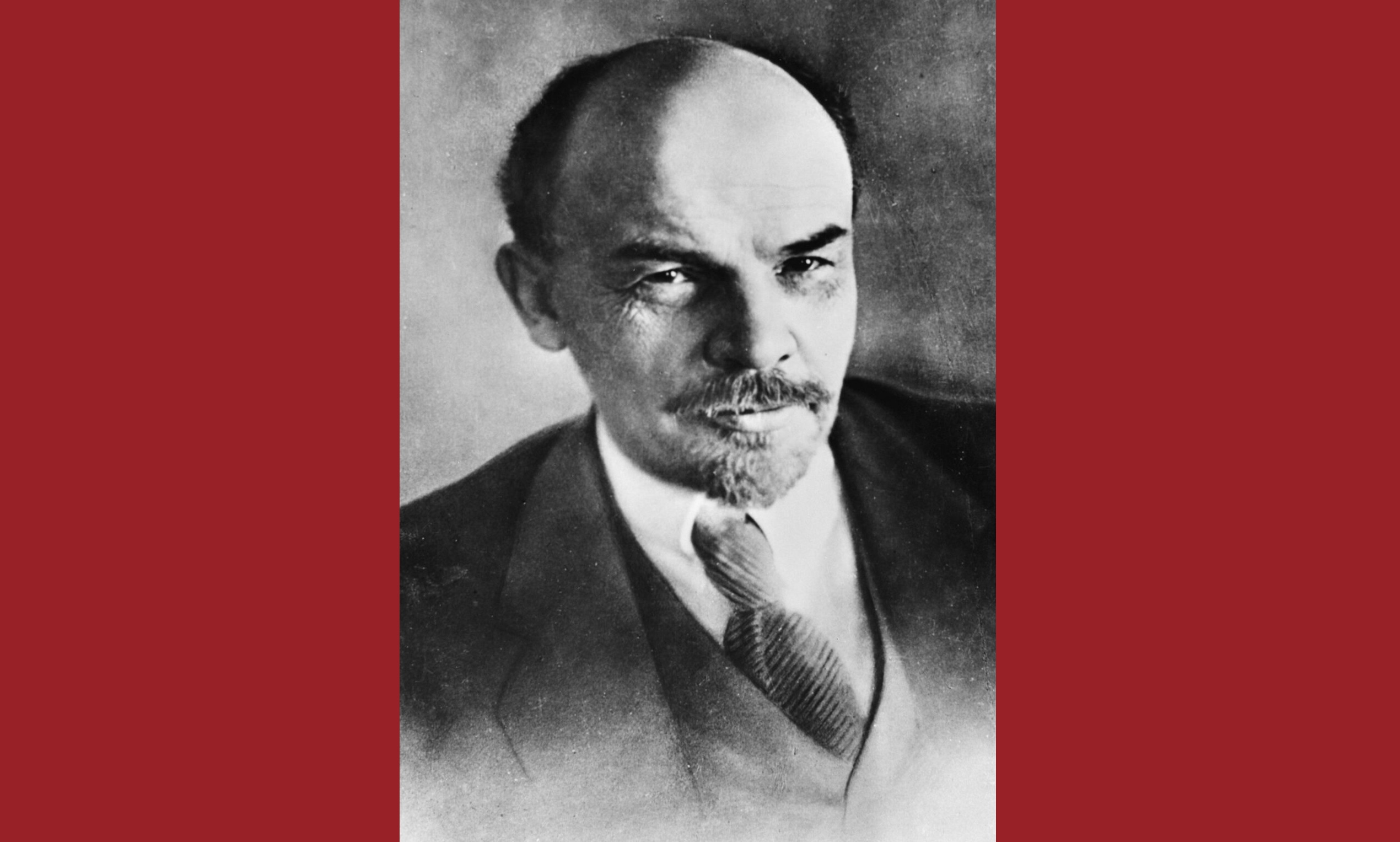
Few things have been as devastating for the socialist project than its span as a state religion. For much of the twentieth century, so-called “communist” states raised Marx and Engels to the status of saints. Giant monuments of their heads sprouted in city squares, and party members recited passages from their works by heart to secure their position.
What had once been a movement of ordinary people from below was twisted into an exercise in unquestioning loyalty. Meanwhile critical sections of Marx’s work on the dangers of the state, on freedom and democracy, were quietly forgotten. The problem wasn’t faith: it was politics masquerading as faith, where devotion served to excuse serious abuses of power rather than uphold an honest commitment to something sacred.
Capitalism, on the other hand, holds nothing sacred. Oil firms lay pipelines through burial grounds; seafood companies contest wāhi tapu; imperial forces bomb places of worship to accommodate luxury resorts.
Perhaps just as sinister is the way capital moulds belief into its own image. USA Christian fundamentalism, for instance, spread via a steady stream of oil money in the early 1900s. Its very foundational text, The Fundamentals: A Testimony To The Truth, was funded, published, and distributed by Lyman Stewart, the co-founder of Union Oil.
The kind of Christianity The Fundamentals promoted – unsurprisingly – had an easy affinity with capitalism. Its authors championed missionaries and scorned socialists, claiming “the conflict between capital and labor could be avoided without a reorganization of society should both parties be controlled by the plain teachings of the Gospel of Christ.” Here the real solution is a practical stewardship of money, using church boards as “God’s bankers” who “multiply money many-fold in glorious results.”
Missionaries also represented a more immediate benefit. Spreading this particular gospel would help convert communities who were strongly resistant to USA capital. It just so happened that these missions ended up in China and Mexico, where Union Oil was eyeing new markets and sites for oil exploration.
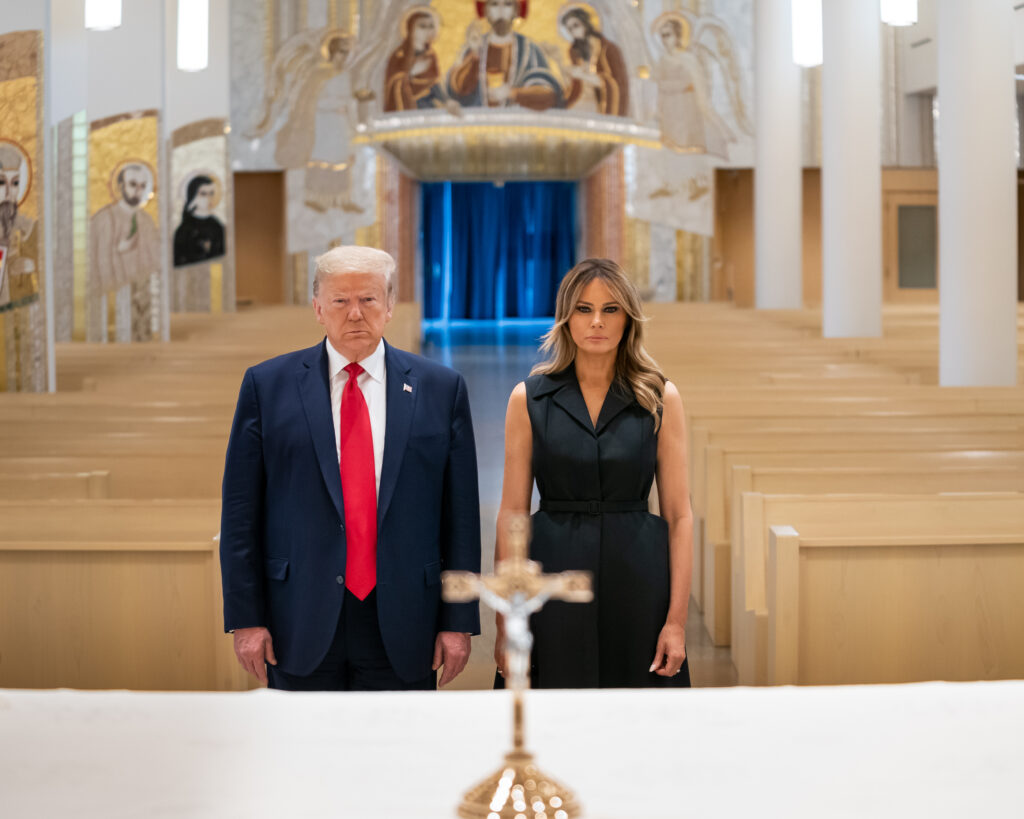
A hundred years on, Stewart’s investment yields Trump (the “drill, baby, drill!” president) as the Messiah. Think about it: the most intimate beliefs of millions of people – the nature of the universe, how to live, who to trust, what happens when you die – shaped by extractive industries. The very same industries that built the Dakota Access Pipeline.
Not only does socialism require freedom of religious practice, true freedom of religious practice requires socialism. Is freedom possible when your mosque has been turned to rubble? When you can’t visit your urupā or chapel because they have been “ransacked and burned” by Crown troops? (These were the exact words used in the Crown’s eventual acknowledgement to Ngāti Hāua). Is freedom still possible when your personal beliefs might be shaped by anyone with enough capital?
Spiritual freedom requires a fair distribution of material resources. This way everyone can explore and pursue their faith – or other faiths – without obstruction or interference. In turn, spiritual practice might yet offer some useful resources for socialism in the here and now: toward a movement which collects around a shared yearning, which recognises doubt, and which opens an expanded conception of belonging.
Image Caption: USA President Donald Trump and First Lady Melania Trump at the Saint John Paul II National Shrine in Washington DC. Photo source: Wikimedia commons. Photo licence: Public domain.