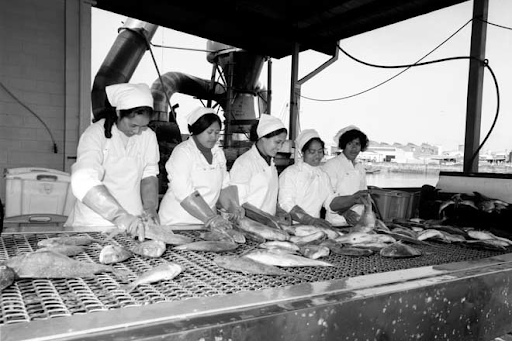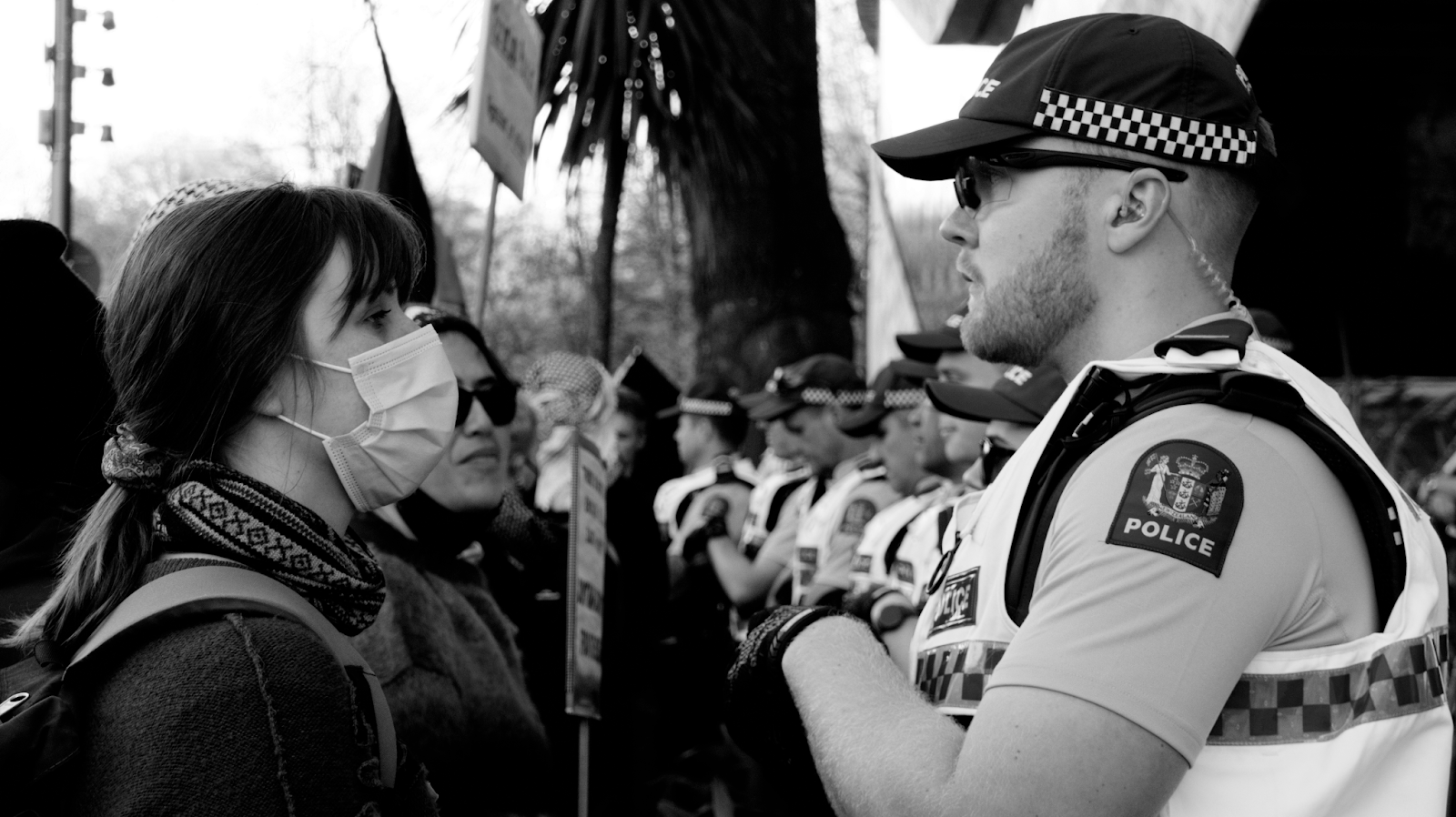
The cost of living, healthcare, the economy, unemployment, and housing are the most important issues facing New Zealanders today, according to the September 2026 Ipsos monitor. Although immigration did not even make the top five, it has certainly been a key issue parties are campaigning on in this general election. New Zealand has a documented history of scapegoating migrants around election time to win votes. Immigration policy in New Zealand significantly affects the agency and security of Pacific people, directly impacting their experiences as workers and members of transnational communities.
At the last election, Pacific voter turnout was significantly lower than the general population. While this is concerning, it is not surprising, given the many promises New Zealand has failed to deliver to Pacific communities and the barriers governments have erected to make it more difficult for Pacific communities to vote. This election, new law requires voters to enrol 13 days before election day, which means that voters will no longer be able to enrol and cast a special vote on election day. A special vote is used when enrolment has occurred after the first deadline. The new electoral rules create a particular risk of disenfranchisement for Pacific voters, given how heavily some Pacific communities relied on late enrolment and special votes in 2023.
Special votes were significant in the last general election, especially in electorates with significant Pacific populations. The three areas with the highest percentages of special votes also had the lowest overall voter turnout. In Panmure-Ōtāhuhu and Māngere, only 63.1 percent of the population voted, and in Manurewa, 64.9 percent. Special votes accounted for 32 percent of votes cast in Panmure-Ōtāhuhu, 27 percent in Māngere, and 33 percent in Manurewa. The new electoral changes will make it even harder for Pacific people to engage.
The government has retained the power for immigration officers to enter homes out of hours to carry out deportations, subject to retaining a warrant – a practice that could revive the trauma associated with the Dawn Raids. These attacks have been followed by countless other examples of laws which will disproportionately harm Pacific people. Anti-Pacific racism has a history in New Zealand. It is often forgotten that it was Labour prime minister Norman Kirk who first introduced the shameful practice of dawn raiding in New Zealand. National prime minister Rob Muldoon reintroduced and aggressively intensified the policy after the 1975 election.
As part of its election campaign, the Labour Party has proposed that travellers from Pacific Island Forum countries could travel to NZ visa-free on NZeTA for three months at a time. Although this would be a welcome change for Pacific communities as it acknowledges short-term travel needs, it does not address deeper issues such as the need to lay out a pathway for regularisation, which leaves existing undocumented Pacific workers in a precarious position. Labour has also proposed that migrant workers could move between accredited employers after three months, so that they are not bound to a single employer. The Greens have taken this further, proposing a total decoupling of work visas from single employers to prevent migrant worker exploitation. However, neither of these proposals addresses calls to scrap the exploitative Accredited Employer Work Visa scheme altogether, which leaves migrant workers vulnerable to systemic abuse.
The Labour Party has also proposed protecting humanitarian appeals against deportation, establishing pathways for children born in New Zealand, and reviewing parent-visa, health, and English requirements. On the other hand, the party is tightening residency pathways by extending the standard wait for permanent residency from two to four years. Labour has justified the extension as a way to encourage migrants to “put down roots” before achieving residency. This policy is not dissimilar to New Zealand First’s permanent residency extension from two to five years.
New Zealand First also wants to overhaul the immigration system. The party wants to double the citizenship wait to a minimum of ten years, institute a referendum on a 20,000 resident visa cap each year, abolish automatic birthright unless one parent is a citizen, and make it easier to deport migrants. New Zealand First has also proposed two years’ clemency for Pacific overstayers; if they are not regularised within that timeframe, they could be deported with little-to-no chance of re-entering the country. The party has framed this punitive policy as merciful and generous towards Pacific communities, citing New Zealand’s “unique and close bond” with the region.
The ACT party wants to remove the Permanent Resident Visa category for future applicants entirely. Instead, it proposes that standard resident visa holders must spend at least 730 days in New Zealand within any rolling five-year period to keep their travel facility. This would remove the unconditional right to leave and re-enter the country, except, of course, for those who can buy their way out, such as those on the Active Investor Plus (Gold Visa).
The Green Party is proposing amnesty for overstayers and a pathway to residency, removal of a policy which currently allows Immigration NZ to deny visas to families where a dependant has a disability, and is calling for a full legislative ban on out-of-hours immigration enforcement (dawn raids). Although this is a more positive stance on immigration, it doesn’t confront the system itself, which continues to allow the exploitation of Pacific peoples in New Zealand.
Pacific peoples will be affected by electoral outcomes, beyond immigration policy. Pacific people face inequities in both physical and mental health outcomes, disproportionately high unemployment rates, and a lack of suitable affordable housing. Aid and development relationships cannot be separated from economic and geopolitical power. New Zealand gains labour, trade, and strategic influence from its Pacific relationships, even while political rhetoric often casts New Zealand as the benefactor. Whatever the election outcomes are, we must fight for real systemic change to support Pacific communities in New Zealand and beyond.
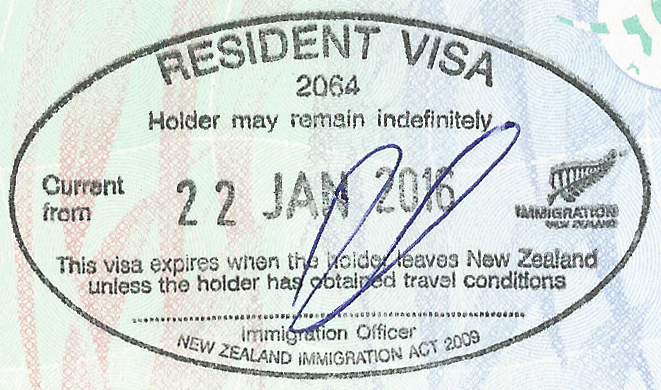
Image Caption: A New Zealand permanent resident visa stamp granted on arrival under Trans-Tasman Travel Arrangement on an Australian travel document. Image Credit: Shujenchang, CC-BY-SA-4.0